


Stop Wasting Time on Manual Inventory: 5 Florida Fulfillment Automation Hacks That Work
Florida's booming e-commerce and distribution landscape demands efficiency at every turn. Yet many businesses still rely on manual inventory processes that drain resources, create bottlenecks, and leave room for costly errors. If your team is spending hours on spreadsheets, manual counts, and paper-based tracking, you're not just wasting time: you're missing opportunities to scale and compete effectively.
The good news? Modern fulfillment automation doesn't require a complete operational overhaul or massive capital investment. Smart businesses across Florida are implementing targeted automation strategies that deliver immediate results while positioning them for long-term growth.
Here are five proven automation hacks that can transform your Florida fulfillment operations from time-consuming manual processes to streamlined, efficient systems that actually work.
Hack #1: Deploy RFID and Barcode Integration for Instant Inventory Visibility
Manual data entry is the enemy of efficient fulfillment. Every time your team manually logs incoming shipments, picks orders by hand-written lists, or updates inventory counts on paper, you're introducing opportunities for human error while burning valuable time.
RFID and advanced barcode systems eliminate these pain points by automating data capture at every touchpoint. When shipments arrive, workers simply scan items as they move through receiving. The system instantly updates your inventory database, recording quantities, locations, and timestamps without any manual input.

The impact becomes even more significant during peak seasons common in Florida's tourism-driven economy. During busy periods when temporary workers join your team, RFID systems reduce training time and ensure accuracy regardless of experience level. New employees can immediately contribute to operations without learning complex manual processes or risking costly mistakes.
For businesses handling diverse product categories: from fashion and electronics to food and beverage: RFID tags store detailed product information that updates automatically as items move through your facility. This means your inventory system knows exactly what's in stock, where it's located, and how long it's been there, all without manual intervention.
Rule Logistics has helped numerous Florida businesses implement RFID solutions that cut receiving time by up to 60% while virtually eliminating inventory discrepancies. The technology pays for itself through reduced labor costs and improved accuracy within the first year of implementation.
Hack #2: Implement IoT Sensors for Real-Time Environmental and Condition Monitoring
Florida's climate presents unique challenges for inventory management, especially for temperature-sensitive products. Manual temperature logging, periodic facility checks, and reactive maintenance create gaps in monitoring that can result in product loss and compliance issues.
Internet of Things sensors transform this reactive approach into proactive inventory protection. These devices continuously monitor temperature, humidity, air quality, and other environmental factors throughout your facility, sending real-time alerts when conditions drift outside acceptable ranges.
Consider a food distribution operation managing frozen seafood for restaurants across Miami-Dade County. IoT sensors monitor freezer temperatures 24/7, immediately alerting managers if temperatures rise above safe thresholds. Staff can respond within minutes rather than discovering spoiled inventory during the next manual check hours later.
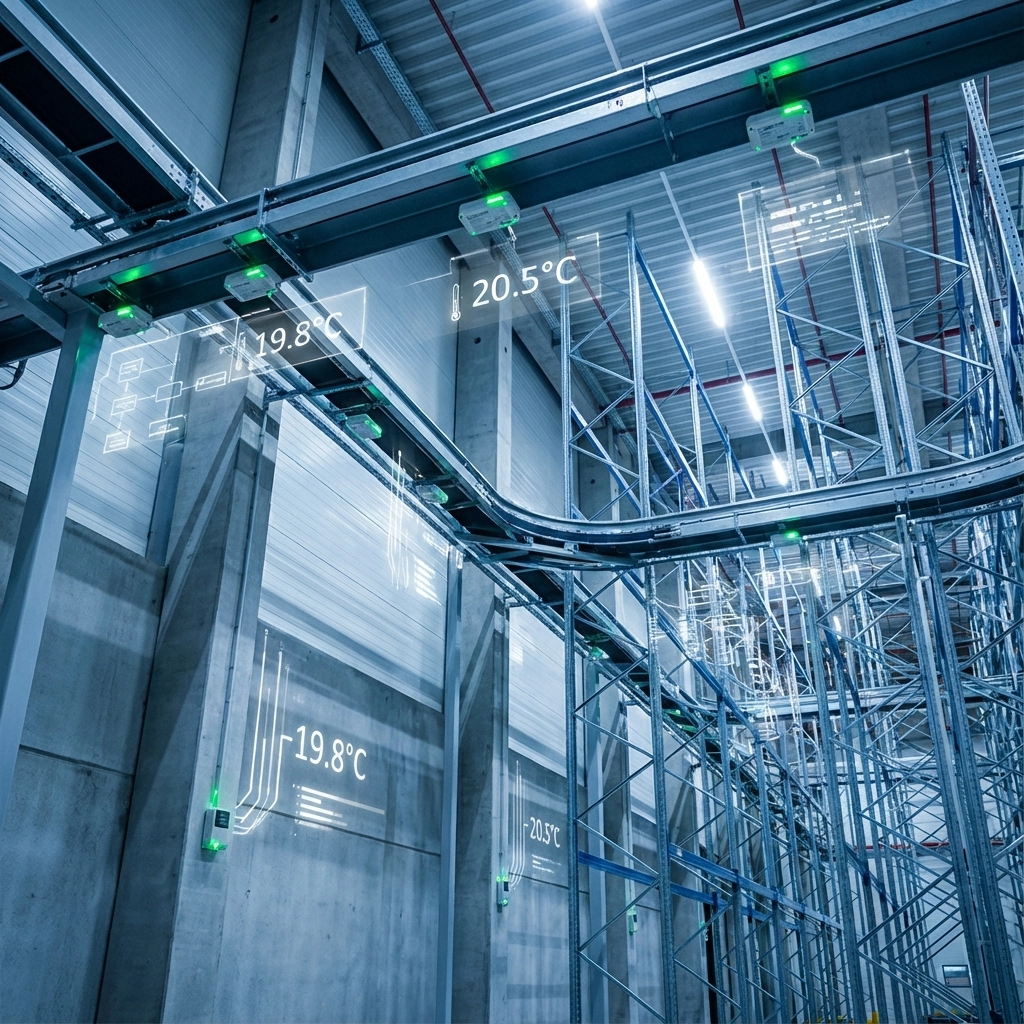
The automation extends beyond temperature control. IoT sensors track inventory movement patterns, identifying bottlenecks in picking routes and highlighting areas where workflow optimization can improve efficiency. They monitor equipment performance, predicting maintenance needs before breakdowns occur and disrupt operations.
For pharmaceutical and medical device distributors: a growing sector in Florida's healthcare economy: IoT monitoring ensures compliance with strict storage requirements while maintaining detailed environmental logs for regulatory reporting. This automated documentation eliminates manual record-keeping while providing auditable proof of proper handling.
The data these sensors collect feeds directly into your warehouse management system, creating a comprehensive view of inventory conditions and facility performance. This integration enables data-driven decision making that improves both operational efficiency and product quality.
Hack #3: Adopt a Cloud-Based Warehouse Management System (WMS) as Your Central Command
A robust warehouse management system serves as the nerve center that connects all your automation initiatives into a cohesive operational strategy. Rather than managing multiple disconnected tools and manual processes, a cloud-based WMS integrates RFID data, IoT sensor information, and order management into a single platform accessible from anywhere.
This centralization transforms how your team approaches daily operations. Instead of walking the warehouse floor with clipboards and paper pick lists, workers use mobile devices that display real-time inventory locations, optimal picking routes, and detailed product information. The system guides them through the most efficient path while automatically updating inventory levels as orders are fulfilled.
Cloud-based solutions offer particular advantages for Florida businesses managing multiple locations or seasonal fluctuations. Your Miami warehouse, Orlando distribution center, and Tampa fulfillment facility can all operate from the same system, providing consolidated visibility across your entire network. During peak tourist seasons or holiday rushes, you can quickly redistribute inventory and balance workloads based on real-time demand data.
The mobile accessibility that cloud systems provide supports flexible workforce management: a crucial capability in Florida's dynamic labor market. Temporary workers can access the same tools and information as full-time staff, maintaining operational consistency regardless of staffing changes.
Advanced WMS platforms include built-in analytics that identify optimization opportunities your team might miss with manual analysis. The system tracks picking efficiency, identifies slow-moving inventory, and suggests layout improvements based on actual movement patterns rather than assumptions.
Rule Logistics leverages enterprise-grade WMS technology to help Florida businesses achieve inventory accuracy rates above 99.5% while reducing order processing times by an average of 40%. The platform's real-time reporting capabilities provide the visibility needed to make informed decisions about capacity planning, staffing, and growth strategies.
Hack #4: Set Up Automated Reordering Systems with Intelligent Demand Forecasting
Manual reordering processes put your business in a constant state of reaction rather than preparation. By the time someone notices inventory running low, places orders, and waits for delivery, stockouts have likely already impacted customer satisfaction and revenue.
Automated reordering systems flip this dynamic by monitoring inventory levels continuously and generating purchase orders when stock reaches predetermined thresholds. But modern systems go far beyond simple quantity triggers. They analyze historical sales patterns, seasonal trends, and market conditions to predict future demand with remarkable accuracy.

For Florida businesses, this predictive capability proves especially valuable given the state's pronounced seasonal variations. Tourism peaks, hurricane season preparations, and holiday shopping cycles create demand patterns that automated systems learn and anticipate. Rather than scrambling to stock up when busy periods begin, your inventory management system prepares weeks in advance.
The sophistication extends to supplier relationship management as well. Automated systems can split orders across multiple suppliers to optimize pricing and delivery times, automatically adjusting for supplier lead times and performance history. If your primary supplier experiences delays, the system can redirect orders to backup suppliers without manual intervention.
Advanced demand forecasting considers external factors like weather patterns, local events, and economic indicators that influence customer behavior. A sunscreen distributor, for example, might see increased demand forecasted based on extended weather predictions, while a theme park supplier might adjust inventory levels based on tourist arrival data.
These systems also identify slow-moving inventory before it becomes a problem, suggesting markdowns, bundle opportunities, or transfer to higher-velocity locations. This proactive approach prevents capital from getting tied up in stagnant stock while ensuring fast-moving items remain available.
The result is inventory management that anticipates needs rather than reacting to problems, maintaining optimal stock levels while minimizing carrying costs and maximizing customer satisfaction.
Hack #5: Integrate E-commerce Platforms and Supply Chain Systems for Unified Operations
The most sophisticated automation becomes ineffective if your systems can't communicate with each other. Many Florida businesses struggle with disconnected platforms where inventory updates in one system don't reflect across sales channels, leading to overselling, customer disappointment, and operational chaos.
True fulfillment automation requires seamless integration between your e-commerce platforms, marketplace channels, supplier portals, and transportation management systems. When these systems communicate in real-time, inventory updates flow automatically across all channels, ensuring customers see accurate availability regardless of where they shop.
This integration transforms customer experience in measurable ways. When someone purchases your product on Amazon, your integrated system immediately updates inventory across your Shopify store, eBay listings, and wholesale portal. There's no delay, no manual updates, and no risk of overselling the same item across multiple channels.
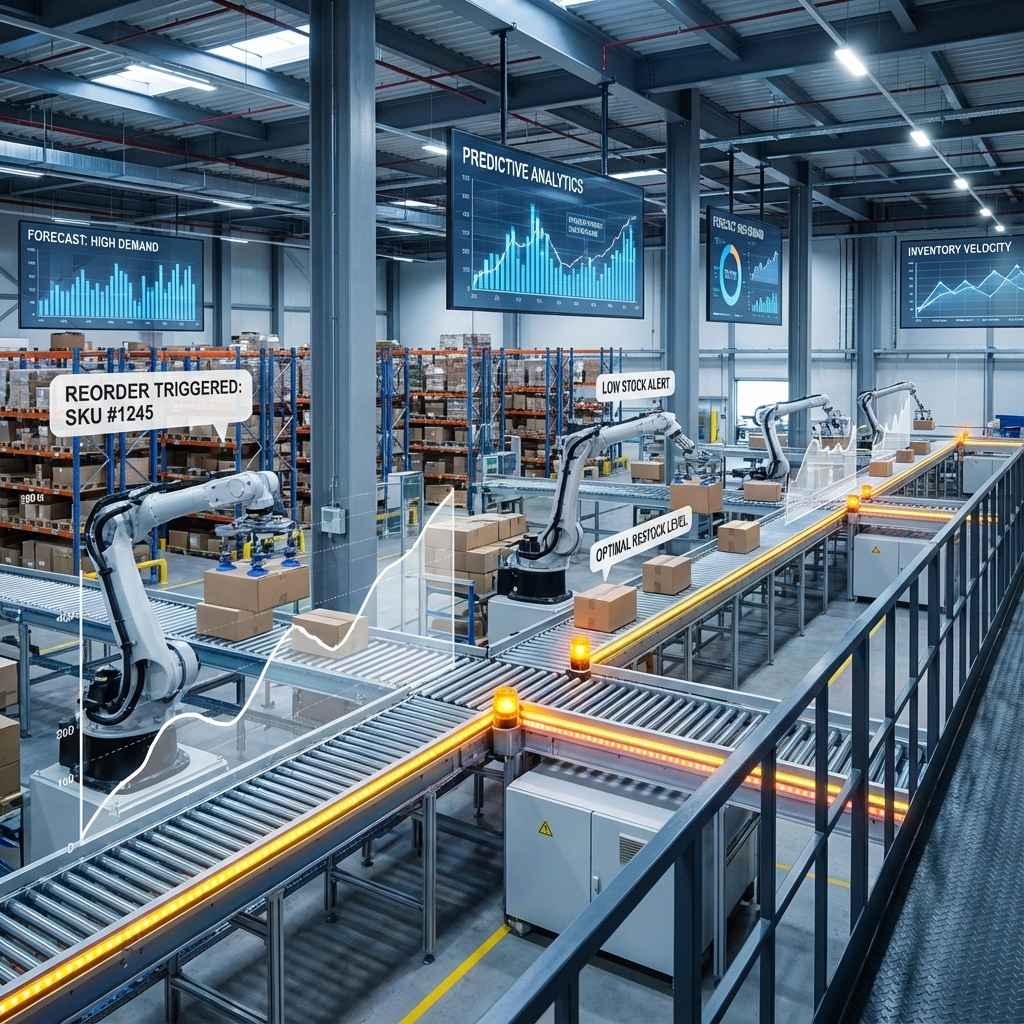
The benefits extend to supplier relationships as well. Integrated systems can automatically share demand forecasts with suppliers, enabling them to better plan production and delivery schedules. Some advanced integrations allow suppliers to monitor your inventory levels directly, triggering automatic shipments when stock reaches predetermined levels.
For businesses managing both B2B and B2C sales: common in Florida's diverse economy: integrated systems maintain different pricing structures, shipping rules, and customer service protocols while operating from the same inventory pool. A distributor serving both retail stores and direct consumers can optimize inventory allocation between channels based on profitability and strategic priorities.
The integration also streamlines financial management by automatically updating accounting systems with inventory values, cost of goods sold, and other financial metrics. This eliminates manual reconciliation work while providing real-time financial visibility that supports better decision making.
Rule Logistics specializes in creating these integrated ecosystems for Florida businesses, connecting everything from major e-commerce platforms to specialized industry software. The result is a unified operation where information flows seamlessly and automation compounds across all business functions.
Measuring Success: What to Track After Implementation
Successful automation implementation requires monitoring specific metrics that demonstrate real business impact. Track inventory turnover rates to measure how effectively your automated systems are moving stock. Monitor labor hours saved in receiving, picking, and shipping to quantify efficiency gains.
Accuracy improvements become apparent through reduced error rates, fewer customer complaints, and decreased return processing costs. Stockout incidents should decrease significantly as automated reordering prevents inventory gaps, while carrying costs optimize as systems eliminate excess stock accumulation.
Florida's dynamic business environment provides an excellent testing ground for these automation strategies. Businesses that implement comprehensive automation report average efficiency improvements of 35-50% within the first year, with continued optimization as systems learn and adapt to operational patterns.
The competitive advantage extends beyond operational efficiency. Automated systems enable faster scaling, more accurate customer service, and the agility to capitalize on market opportunities that manual operations simply can't match.
Ready to transform your Florida fulfillment operations with proven automation strategies? Rule Logistics combines cutting-edge technology with deep industry expertise to help businesses eliminate manual inefficiencies while building scalable, profitable operations.
Contact us at info@rule-logistics.com to discover how these automation hacks can work for your specific business needs.
Comments