


CBP Just Collected $200B in Duties: 7 Mistakes Florida Importers Keep Making (And How Customs Brokers Catch Them)
U.S. Customs and Border Protection (CBP) is on track to collect over $200 billion in duties and tariffs through 2026: a staggering figure that reflects both increased trade volumes and heightened enforcement. For Florida importers, particularly those moving goods through Miami, Port Everglades, and Jacksonville, this aggressive collection environment means one thing: compliance mistakes are more costly than ever.
The problem isn't that importers are trying to cut corners. Most compliance failures stem from complexity, outdated processes, or simply not knowing what CBP expects. A misclassified product code here, a valuation error there: these seemingly minor oversights can trigger audits, penalties, and duty overpayments that drain profitability for months.
Professional customs broker companies exist precisely to prevent these errors before they reach CBP's radar. Here are the seven most common mistakes Florida importers continue to make, and how the right customs broker catches them early.
Mistake #1: HS Classification Errors That Cost Thousands
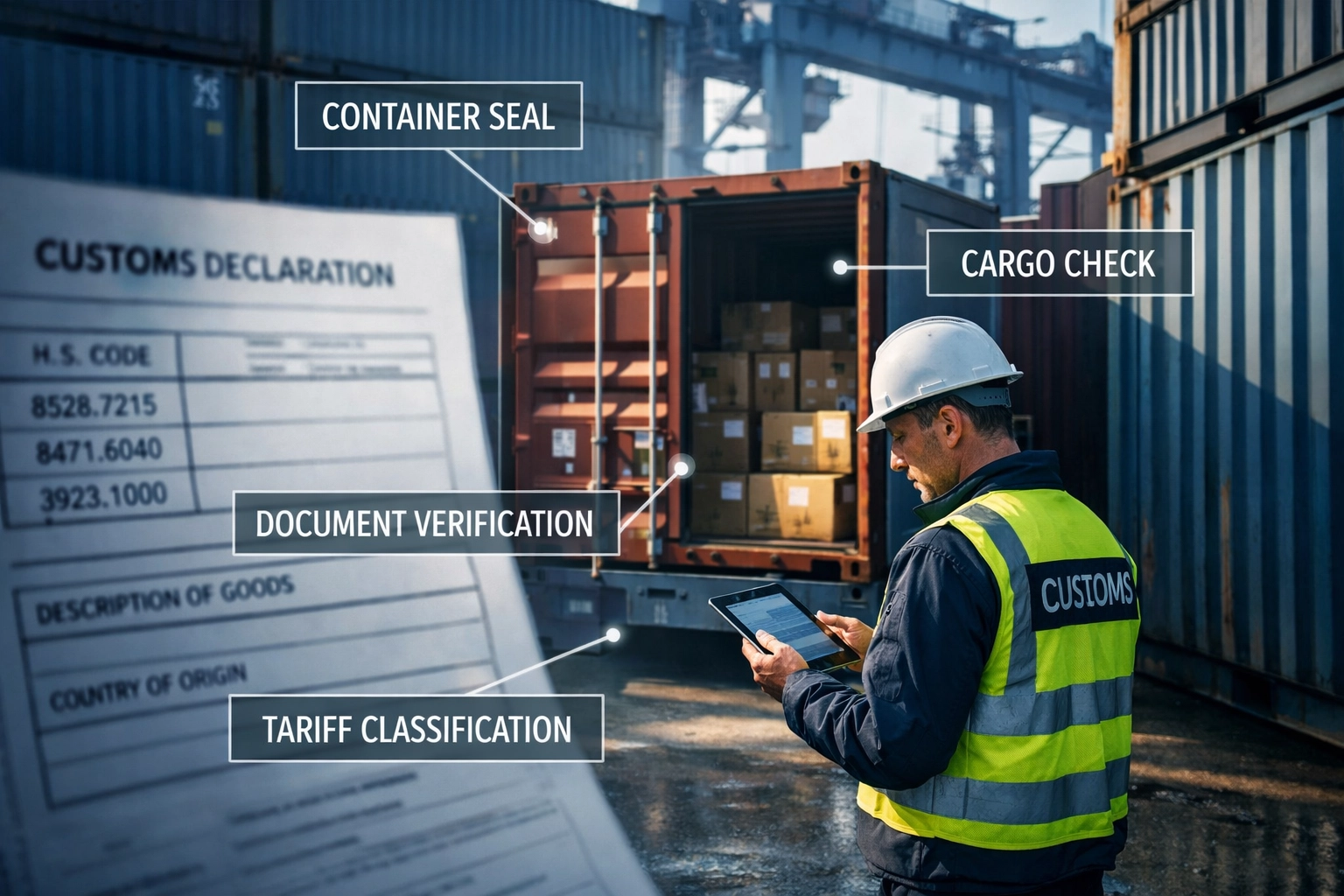
The Harmonized System (HS) code determines your duty rate, and getting it wrong is the most frequent compliance error importers make. A single digit difference can swing your duty rate from 3% to 12%: or trigger specialized regulations you weren't prepared for.
Florida importers often rely on supplier-provided codes without verification. Chinese suppliers, for instance, may classify items based on their domestic system, which doesn't always align with U.S. Harmonized Tariff Schedule (HTS) requirements. Other times, product descriptions are too vague to pinpoint the correct classification among thousands of possible codes.
A qualified customs broker Florida businesses trust doesn't just accept the classification you provide. They analyze the actual composition, function, and use of your products, cross-reference CBP rulings, and ensure the classification withstands scrutiny. When Section 301 tariffs or antidumping duties hinge on precise classification, this expertise becomes invaluable.
Mistake #2: Valuation Discrepancies That Trigger Audits
CBP requires that you declare the transaction value: what you actually paid or will pay for the goods. Sounds simple, but complications arise constantly. Did you include royalty payments? Assists provided to the manufacturer? Selling commissions that should have been excluded?
Florida importers dealing with related-party transactions face even more scrutiny. When buying from your overseas subsidiary, CBP examines whether the transfer price reflects fair market value or if it's artificially low to reduce duties. Without proper documentation showing the price wasn't influenced by the relationship, you're inviting an audit.
Customs brokers catch these issues during entry preparation. They know which costs must be added to or excluded from the declared value, and they maintain documentation that proves your valuation methodology is legitimate. This front-end diligence prevents the nightmare scenario of CBP questioning your values six months after importation.
Mistake #3: Record-Keeping That Wouldn't Survive a Five-Year Review
CBP requires importers to maintain records for five years. Not summaries. Not spreadsheets you created after the fact. Original commercial invoices, packing lists, purchase orders, payment records, and all documentation used to substantiate your customs entries.
The mistake Florida importers make is treating this as a filing exercise rather than a strategic compliance practice. When CBP conducts a focused assessment or requests records during an audit, incomplete documentation leads to denied claims, lost duty drawback opportunities, and penalties based on "reasonable care" failures.
Professional customs broker companies implement document retention systems that capture and organize everything from day one. They know what CBP will request during an audit because they've supported clients through dozens of them. This institutional knowledge translates to compliant record-keeping that protects your business years down the line.
Mistake #4: Country of Origin Errors That Violate Trade Agreements
Country of origin determines whether your goods qualify for preferential duty rates under free trade agreements like USMCA. It also determines whether they're subject to Section 301 tariffs on Chinese goods or antidumping duties on specific countries.
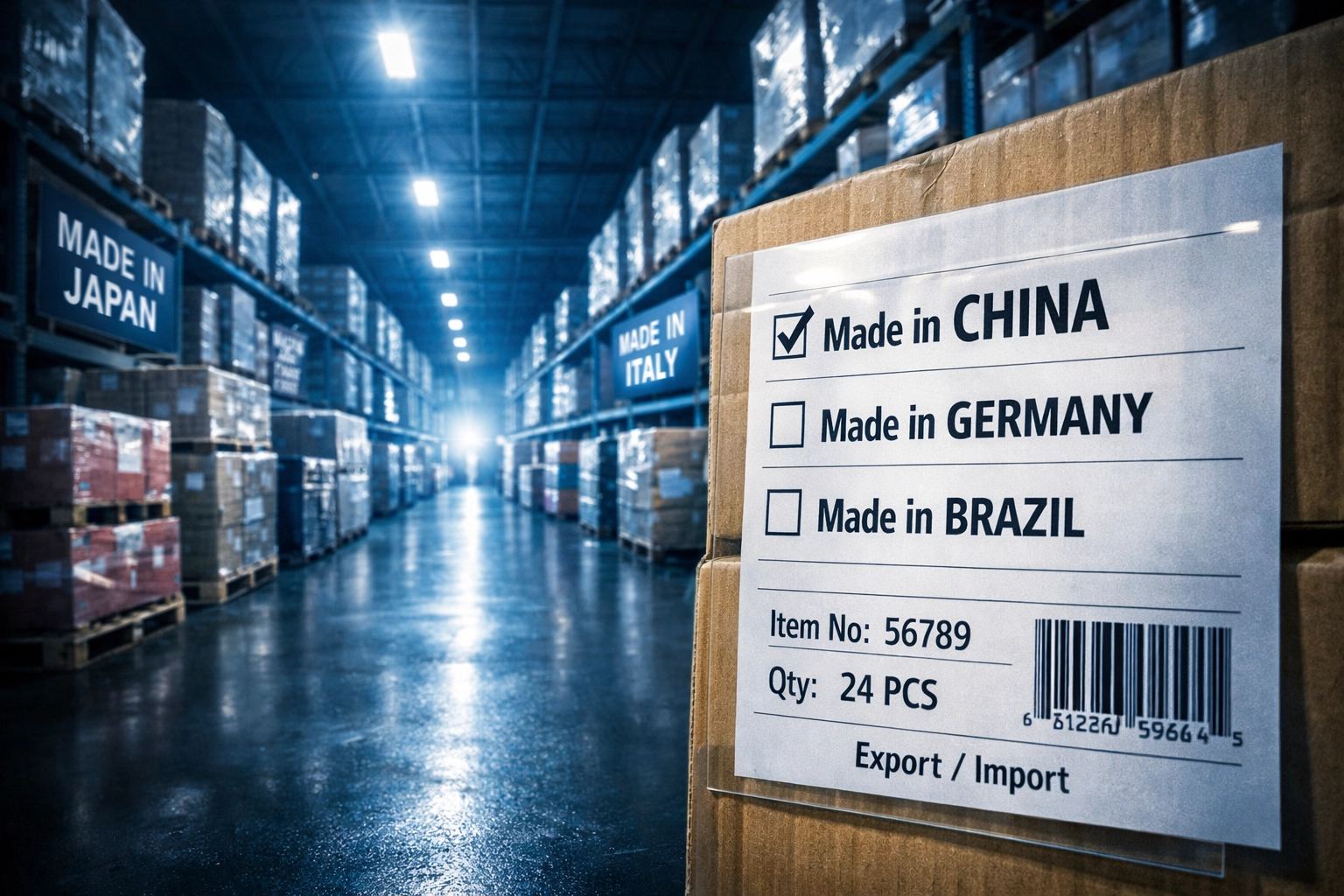
The mistake happens when importers assume country of origin is wherever the goods shipped from. A product manufactured in China, assembled in Vietnam, and shipped from Singapore still might be Chinese origin: and subject to 25% additional tariffs. The determination depends on substantial transformation analysis, which is nuanced and often disputed.
Customs brokers in Florida evaluate origin for every shipment, not just those where you're claiming preferential treatment. They identify when transshipment through third countries doesn't change the origin, preventing you from unintentionally misrepresenting goods and facing penalties for doing so.
Mistake #5: Incomplete or Inconsistent Entry Documentation
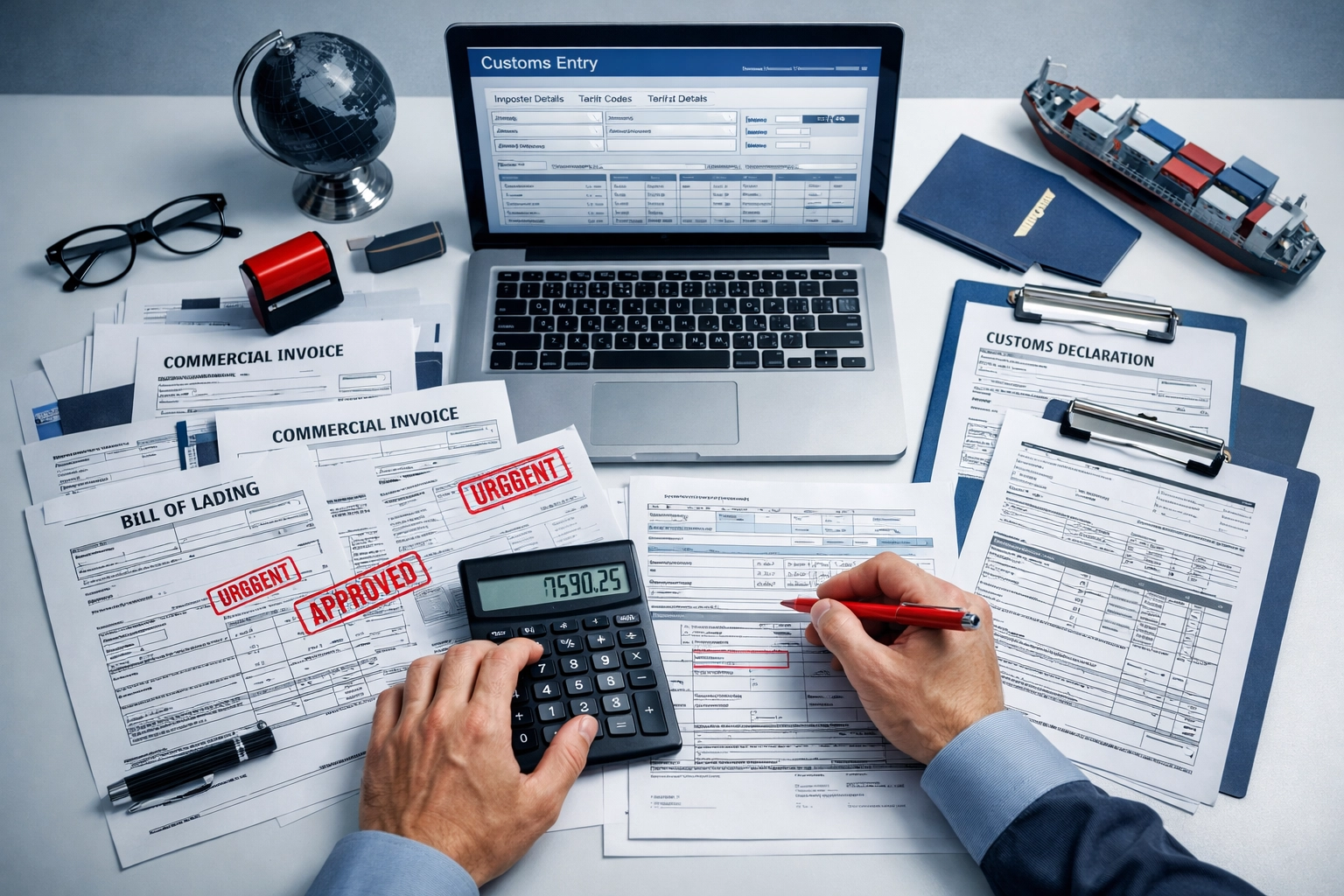
Your commercial invoice, packing list, and bill of lading should tell the same story. When they don't: when quantities don't match, descriptions differ, or values seem inconsistent: CBP flags the entry for examination. This delays your cargo and increases the likelihood of physical inspection.
Florida importers rushing to get goods through customs sometimes submit preliminary documents with plans to correct them later. Others use generic descriptions that don't provide sufficient detail for CBP to assess admissibility. Both approaches create problems.
A competent customs broker Florida companies rely on won't file your entry until the documentation is complete and consistent. They reconcile discrepancies before CBP sees them, provide detailed product descriptions that satisfy regulatory requirements, and ensure your paperwork supports the classification and value you're declaring. This attention to detail is what separates amateur from professional customs clearance.
Mistake #6: Ignoring Partner Government Agency Requirements
Customs clearance isn't just about CBP. Products ranging from food to medical devices to consumer electronics require approval from partner government agencies (PGAs) like FDA, USDA, CPSC, FCC, and others. Each has specific documentation, labeling, and testing requirements.
The mistake Florida importers make is discovering PGA requirements after the goods arrive. Your shipment clears CBP but gets held because you don't have FDA Prior Notice, or your wireless device needs FCC certification you didn't obtain. These holds can last weeks while you scramble to achieve compliance: if it's even possible post-import.
Experienced customs broker companies identify all applicable PGA requirements during the pre-shipment phase. They ensure you have the necessary registrations, certifications, and documentation before your goods leave origin. For Rule Logistics clients, this proactive approach to regulatory compliance means shipments clear customs on time, every time.
Mistake #7: Misunderstanding Duty Drawback and Refund Opportunities
While most mistakes cost you money, this one involves leaving money on the table. Duty drawback allows you to recover 99% of duties paid on imported goods that are subsequently exported or used in manufacturing exported products. Many Florida importers either don't know drawback exists or believe the process is too complex to pursue.
The opportunity cost is significant. If you're importing raw materials, manufacturing finished goods, and exporting to Latin America, you could be recovering substantial duty payments. If you're a distribution center that imports products and later exports a portion to Caribbean markets, drawback applies to those re-exports.
Professional customs brokers don't just clear your imports: they analyze your supply chain for duty recovery opportunities. They maintain the documentation trail required for drawback claims, file the claims on your behalf, and maximize refunds that improve your bottom line. This strategic approach to customs brokerage transforms compliance from a cost center to a value generator.
How the Right Customs Broker Catches These Mistakes Early
The pattern across all seven mistakes is the same: problems are exponentially easier to fix before filing than after CBP identifies them. A customs broker Florida businesses can trust operates as an extension of your compliance team, not just a service provider who processes paperwork.
They start by auditing your current import practices to identify existing vulnerabilities. They classify products correctly from the beginning, establish proper valuation methodologies, implement compliant record-keeping systems, and monitor regulatory changes that affect your goods. When new tariffs, trade agreements, or enforcement priorities emerge, they proactively adjust your import program rather than waiting for problems to surface.
This preventive approach saves money in three ways: you avoid overpaying duties through proper classification and valuation, you dodge penalties and interest from compliance failures, and you capture refund opportunities most importers miss. The cost of professional brokerage services is modest compared to the financial exposure these mistakes create.
Why Florida Importers Need Local Customs Expertise
Florida's position as a gateway to Latin American trade creates unique compliance considerations. Products entering through Miami often have complex supply chains involving multiple countries, related-party transactions with offshore affiliates, and re-export components that affect duty treatment.
Rule Logistics understands this environment because we operate within it daily. Our customs brokerage team brings decades of combined experience clearing goods through Florida ports, working with CBP officers at local ports of entry, and navigating the specific challenges importers face in this region. We know which products trigger additional scrutiny, how to expedite clearance for time-sensitive shipments, and how to structure your import program for maximum efficiency and compliance.
Whether you're importing raw materials for manufacturing, finished goods for retail distribution, or project cargo for construction, the customs broker companies you partner with should understand your industry, your supply chain, and your business objectives. Compliance isn't a one-size-fits-all checklist: it's a strategic function that requires expertise, attention to detail, and proactive management.
The $200 billion CBP is collecting represents trillions in trade value moving through U.S. ports. Your imports are part of that massive flow, and ensuring they clear customs correctly, efficiently, and cost-effectively requires professional expertise. The seven mistakes outlined here are entirely preventable when you work with a customs broker that prioritizes compliance, understands Florida's trade environment, and treats your success as their own.
Don't let preventable compliance mistakes erode your profitability. Partner with a customs broker Florida importers trust to navigate CBP regulations, optimize duty treatment, and keep your supply chain moving. The right partnership transforms customs clearance from a source of stress into a competitive advantage.
Comments