


Customs Broker Companies in Florida: 10 Questions to Ask Before You Sign
Choosing the wrong customs broker can cost your business thousands in delays, penalties, and missed opportunities. With Florida handling more than $150 billion in international trade annually, the state is home to hundreds of customs broker companies: but not all are created equal.
Whether you're shipping perishables through Miami, handling hazmat through Port Everglades, or managing electronics through Jacksonville, the customs broker you select will directly impact your speed to market, compliance record, and bottom line. A great customs broker florida partnership becomes an extension of your team. A poor one becomes your biggest operational headache.
Before you sign that service agreement, ask these 10 critical questions. Your due diligence today will save you costly mistakes tomorrow.
1. What Are Your Licensing Credentials and CBP Bond Status?
This should be your starting point. Every legitimate customs broker must hold a valid license from U.S. Customs and Border Protection (CBP). Don't assume: verify. Ask to see their license number and confirm it's active through the CBP's public database.
Beyond basic licensing, inquire about their continuous bond capacity. Customs brokers must maintain bonds to guarantee duty payments. If a broker's bond is insufficient for your shipment values, you'll face delays while additional bonds are secured. Companies handling high-volume or high-value shipments need brokers with substantial bonding capacity already in place.
2. How Long Have You Operated Specifically in Florida Ports?
Experience matters, but location-specific experience matters more. Florida's major ports: Miami, Port Everglades, Tampa, Jacksonville, and Port Canaveral: each have unique operational rhythms, inspector relationships, and commodity specializations.
A broker with 20 years of experience in Los Angeles may struggle with Miami's Caribbean trade nuances or Jacksonville's automotive import procedures. Ask how long they've been clearing shipments through your specific Florida port of entry. Brokers with deep local roots understand regional CBP officers' preferences, peak inspection times, and port-specific bottlenecks that can derail inexperienced operators.
3. What Technology Platform Do You Use for Shipment Tracking and Documentation?
In 2026, paper-based customs brokerage is obsolete. Your customs broker should provide real-time visibility into your shipments through integrated technology platforms. Ask about their systems specifically:
Can you track shipment status 24/7 through a client portal?
How do they handle electronic document submission to CBP?
Do they integrate with your existing ERP or inventory management systems?
What automation do they employ for routine classifications and compliance checks?
Companies like Rule Logistics have invested heavily in technology that provides clients with complete transparency from the moment goods leave origin until they're cleared and delivered. If a broker can't demonstrate robust digital capabilities, you'll be flying blind on your most time-sensitive shipments.
4. Do You Have Experience With My Specific Product Category?
Customs brokerage isn't one-size-fits-all. The expertise required to clear fresh produce differs dramatically from clearing lithium batteries or medical devices. Different commodities face different regulatory frameworks, classification challenges, and compliance requirements.
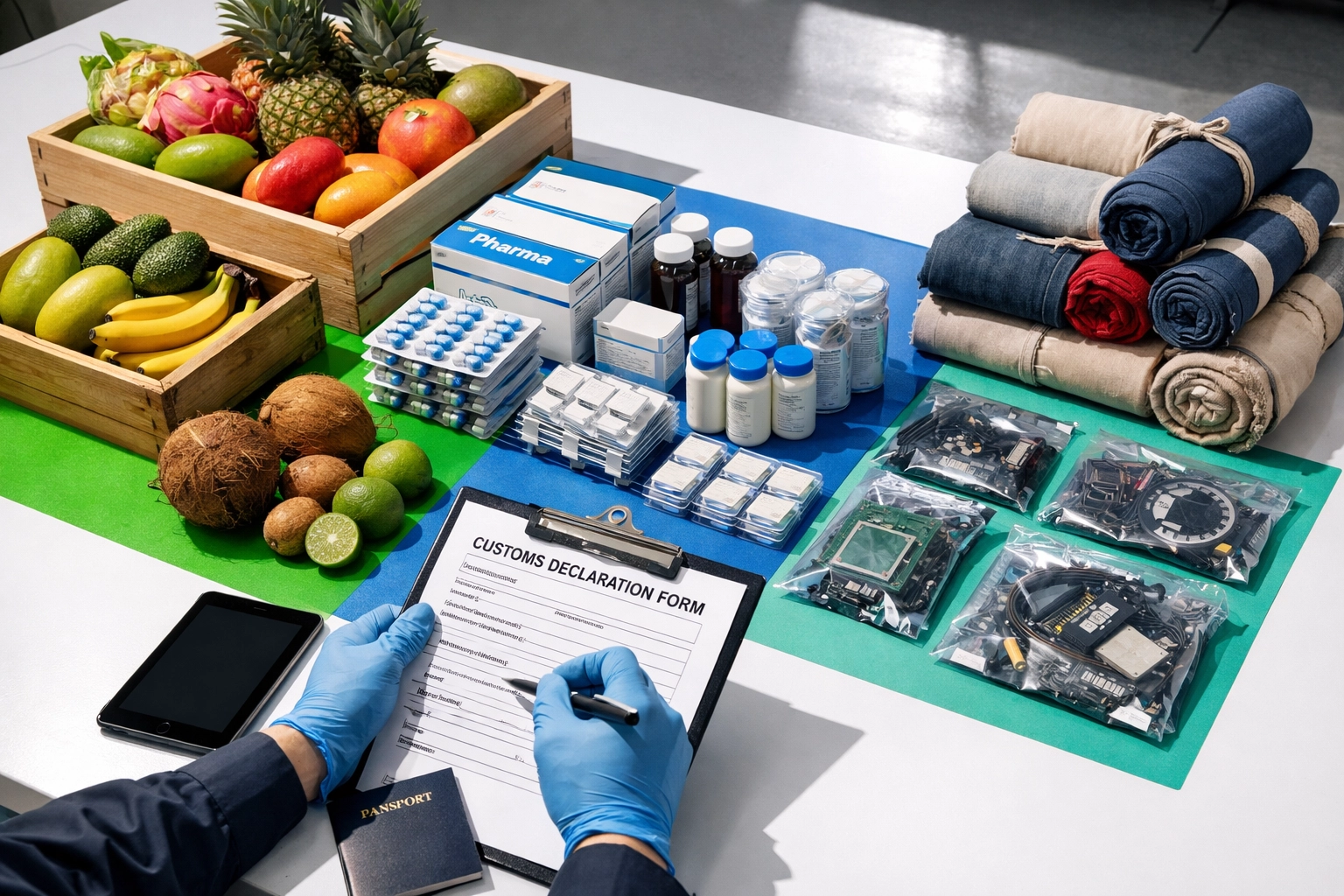
Ask potential customs broker companies about their experience with your specific products. If you're importing perishables, do they understand USDA regulations and expedited clearance procedures? For hazmat shipments, are they certified in handling dangerous goods documentation? For textiles, do they navigate quota categories and country-of-origin rules effectively?
Generic experience is insufficient. You need a broker who has successfully cleared products identical or similar to yours through Florida ports multiple times. Request case studies or references from clients in your industry.

5. How Do You Handle Communication During Clearance Issues?
Customs holds happen. Documentation discrepancies arise. When problems occur at 3 PM on Friday, how will your broker respond?
Discuss communication protocols upfront. Who will be your primary point of contact? What are their response time commitments? Do they provide after-hours support for urgent situations? How do they escalate critical issues?
The worst customs brokers go silent when problems emerge, leaving you scrambling to understand why your shipment hasn't cleared. The best brokers proactively communicate throughout the process and aggressively troubleshoot when challenges arise. They should be able to explain their problem-resolution workflow in detail.
6. What's Your Transparent Pricing Structure?
Hidden fees plague the customs brokerage industry. Some brokers advertise attractively low base rates but tack on charges for every email, document review, or phone call. Others have complex fee schedules that obscure true costs.
Request a comprehensive fee schedule in writing. Understand exactly what's included in the base service and what triggers additional charges. Ask about:
Per-entry fees versus monthly retainers
Charges for examinations or inspections
Fees for after-hours releases
Storage charges if delays occur
Technology or platform access fees
Reputable customs broker florida companies provide clear, transparent pricing without surprise charges buried in fine print. If a broker hesitates to provide detailed pricing, that's a significant red flag.
7. How Do You Stay Current With Regulatory Changes?
Trade regulations evolve constantly. Tariff classifications change. Free trade agreements are modified. CBP issues new directives. Your customs broker must stay ahead of these changes to protect your compliance record.
Ask how they monitor regulatory updates and train their staff. Do they have dedicated compliance personnel? Are they members of industry associations like the National Customs Brokers & Forwarders Association of America? How do they communicate regulatory changes that impact your shipments?
In 2026, with trade policies shifting rapidly, this question is more critical than ever. You need a broker who proactively adjusts to new rules before they impact your operations, not one who discovers changes only when shipments are detained.
8. Can You Provide References From Similar-Sized Companies?
Every customs broker will claim excellence. References provide evidence. Request contact information for at least three current clients whose business profile resembles yours: similar shipment volumes, product categories, and trade lanes.
When you contact references, ask specific questions about the broker's performance during challenging situations. How did they handle a CBP examination? What happened when documentation errors occurred? Were they responsive during peak shipping seasons?
Pay attention if a broker struggles to provide relevant references or if the references they offer are outdated. Current, verifiable client relationships demonstrate consistent service quality.
9. What's Your Average Clearance Timeline and Success Rate?
Speed and reliability are measurable. Ask potential brokers for their performance metrics on shipments similar to yours. What percentage clear without examination? What's the average time from arrival to release?
These numbers vary by commodity and port, but brokers should be able to provide general benchmarks. If they can't or won't discuss performance metrics, they either don't track them (problematic) or the numbers aren't impressive (also problematic).
Companies that excel in customs clearance proudly share their statistics. They can tell you exactly how they perform because they measure and continuously improve their processes.
10. Do You Offer Integrated Logistics Services Beyond Customs Clearance?
Customs clearance is just one piece of your supply chain puzzle. The most efficient operations work with partners who can handle multiple logistics functions under one roof: customs brokerage, freight forwarding, warehousing, and distribution.
Ask whether the customs broker can coordinate your complete shipment journey. Can they arrange inland transportation from the port? Do they offer warehousing if you need to deconsolidate? Can they manage your inventory and fulfillment?
This is where companies like Rule Logistics differentiate themselves. By offering comprehensive, end-to-end solutions, they eliminate the coordination headaches and finger-pointing that occur when you're juggling multiple vendors. One point of contact, one integrated technology platform, and complete accountability from origin to final delivery.
Making the Right Choice for Your Business
Selecting customs broker companies in Florida requires more than comparing rates on a spreadsheet. The questions above will help you evaluate expertise, reliability, technology, and partnership potential: factors that ultimately determine whether your international shipments become competitive advantages or operational nightmares.
Rule Logistics brings deep customs compliance knowledge, cutting-edge technology, and comprehensive logistics capabilities to businesses throughout Florida. Our team understands that customs clearance is just the beginning. We've built our reputation on helping companies navigate the complete complexity of international trade with confidence and clarity.
When you're ready to partner with a customs broker that treats your business with the same urgency you do, reach out to Rule Logistics. Because the right questions deserve the right answers: and the right partner.
Comments