


3PL Florida Vs In-House Fulfillment: Which Is Better For Your E-Commerce Business?
The rapid growth of e-commerce has fundamentally transformed how businesses approach fulfillment operations. As online retailers scale their operations, one critical decision emerges: should you partner with a third-party logistics provider in Florida or maintain fulfillment operations in-house? This choice impacts everything from operational costs and customer satisfaction to your ability to scale during peak seasons.
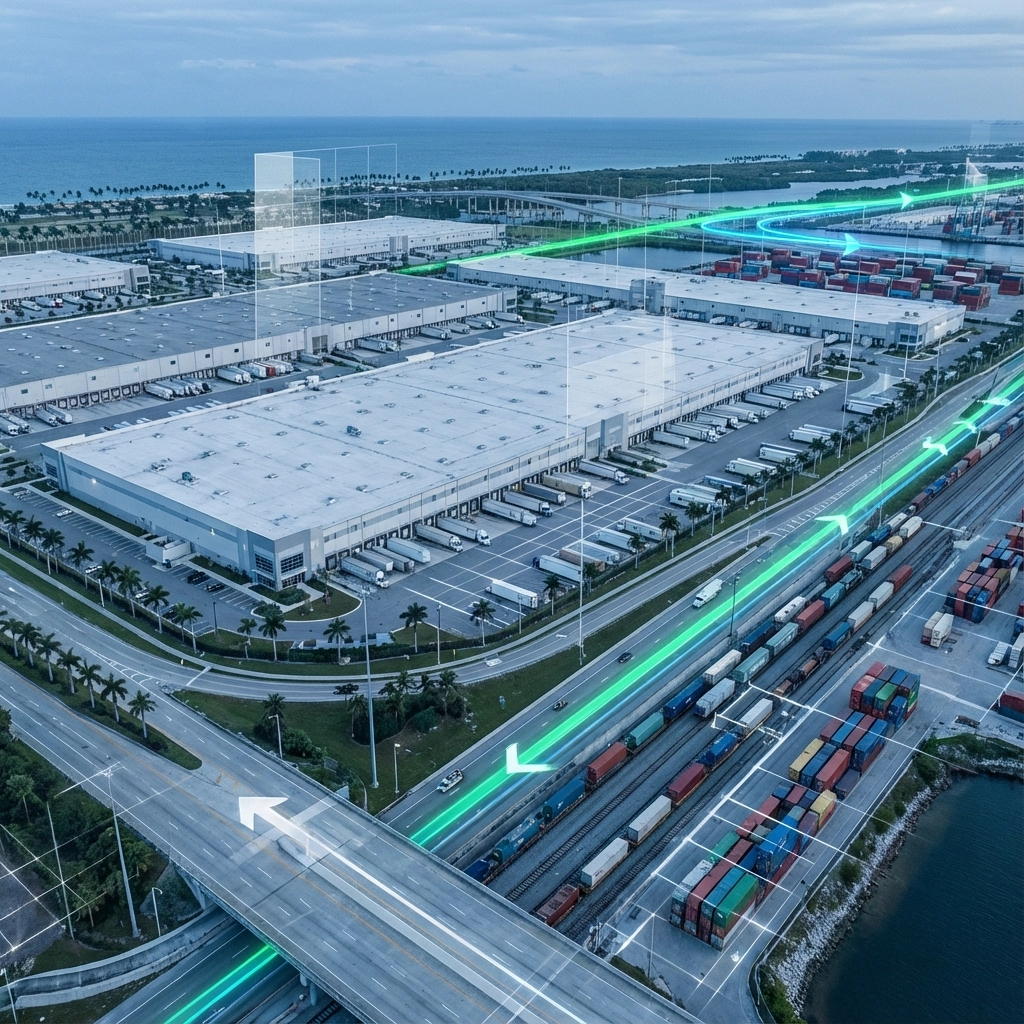
Florida's strategic location as a gateway to Latin America and the Caribbean, combined with its robust logistics infrastructure, makes it an attractive hub for e-commerce fulfillment. The state offers access to major ports, extensive highway networks, and proximity to significant consumer markets. However, the decision between 3PL and in-house fulfillment extends beyond geography: it requires careful evaluation of your business model, growth trajectory, and operational priorities.
Understanding 3PL Fulfillment
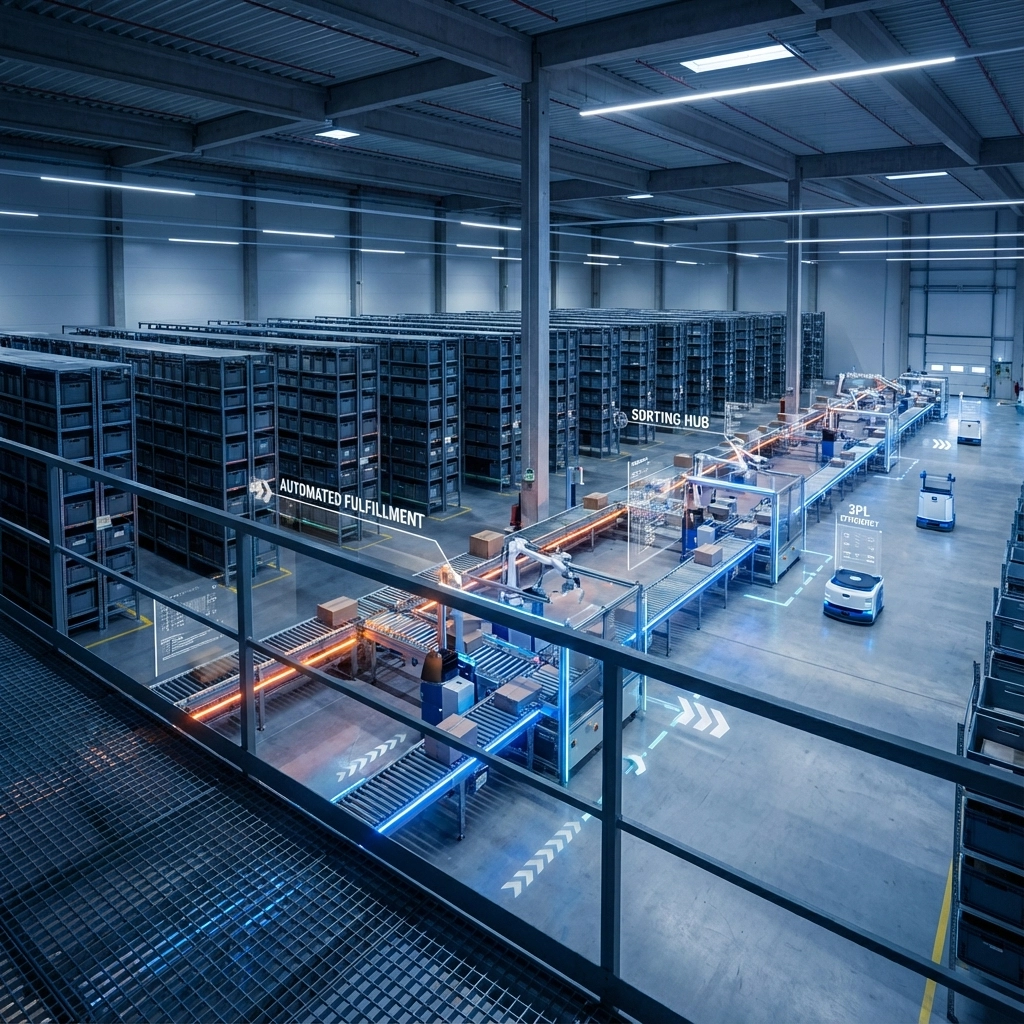
Third-party logistics (3PL) fulfillment involves outsourcing your entire order fulfillment process to a specialized provider. These companies handle warehousing, inventory management, order processing, picking, packing, shipping, and often returns management. Florida-based 3PL providers leverage the state's logistics advantages while offering businesses access to professional-grade fulfillment infrastructure without significant capital investment.
Modern 3PL providers integrate sophisticated warehouse management systems with your e-commerce platforms, creating seamless order processing workflows. They maintain relationships with multiple shipping carriers, enabling competitive rates and diverse delivery options. Many Florida 3PL facilities are strategically positioned near major transportation hubs, facilitating faster delivery times to key markets throughout the Southeast and beyond.
In-House Fulfillment Explained
In-house fulfillment means your business directly manages all aspects of order processing and shipping. This approach requires dedicated warehouse space, fulfillment staff, inventory management systems, and shipping relationships. Companies choosing in-house fulfillment typically operate from their own facilities or leased warehouse space, maintaining direct control over every aspect of the customer fulfillment experience.
In-house operations demand significant operational expertise spanning inventory forecasting, warehouse layout optimization, staff management, and shipping coordination. Businesses must invest in warehouse management software, develop standard operating procedures, and establish relationships with shipping carriers to negotiate competitive rates.
The 3PL Advantage: Key Benefits
Scalability and Flexibility
3PL providers excel at accommodating fluctuating demand patterns without requiring businesses to maintain excess capacity during slower periods. During peak seasons like Black Friday or holiday shopping, 3PL facilities can rapidly scale operations by leveraging their existing infrastructure and temporary staffing capabilities. This flexibility proves invaluable for businesses experiencing rapid growth or seasonal demand variations.
Advanced Technology Access
Professional 3PL providers invest heavily in warehouse management systems, automation technology, and integration capabilities. These systems often surpass what individual businesses could justify purchasing independently. Advanced inventory tracking, real-time order visibility, and sophisticated reporting capabilities become accessible without significant technology investments.
Geographic Distribution
Many 3PL providers operate multiple fulfillment centers across different regions, enabling distributed inventory strategies. This geographic diversification can significantly reduce shipping costs and delivery times by positioning products closer to end customers. Florida's central location enhances this advantage by providing efficient access to both domestic and international markets.
Expertise and Specialization
3PL providers develop deep expertise in fulfillment operations, staying current with industry best practices, regulatory requirements, and emerging technologies. Their specialized knowledge helps businesses avoid common fulfillment pitfalls while optimizing operational efficiency.
Potential 3PL Drawbacks
Reduced Direct Control
Outsourcing fulfillment means accepting standardized processes that may not perfectly align with your brand's specific requirements. While most 3PL providers offer customization options, the level of control remains limited compared to in-house operations.
Cost Structure Complexity
3PL pricing models often include multiple fee components covering storage, picking, packing, shipping, and additional services. These costs can escalate as your business grows or requires specialized handling, making long-term cost projections challenging.
Dependency Risks
Relying on external providers creates operational dependencies that could impact your business if service levels decline or the partnership encounters difficulties.
In-House Fulfillment Benefits
Complete Operational Control
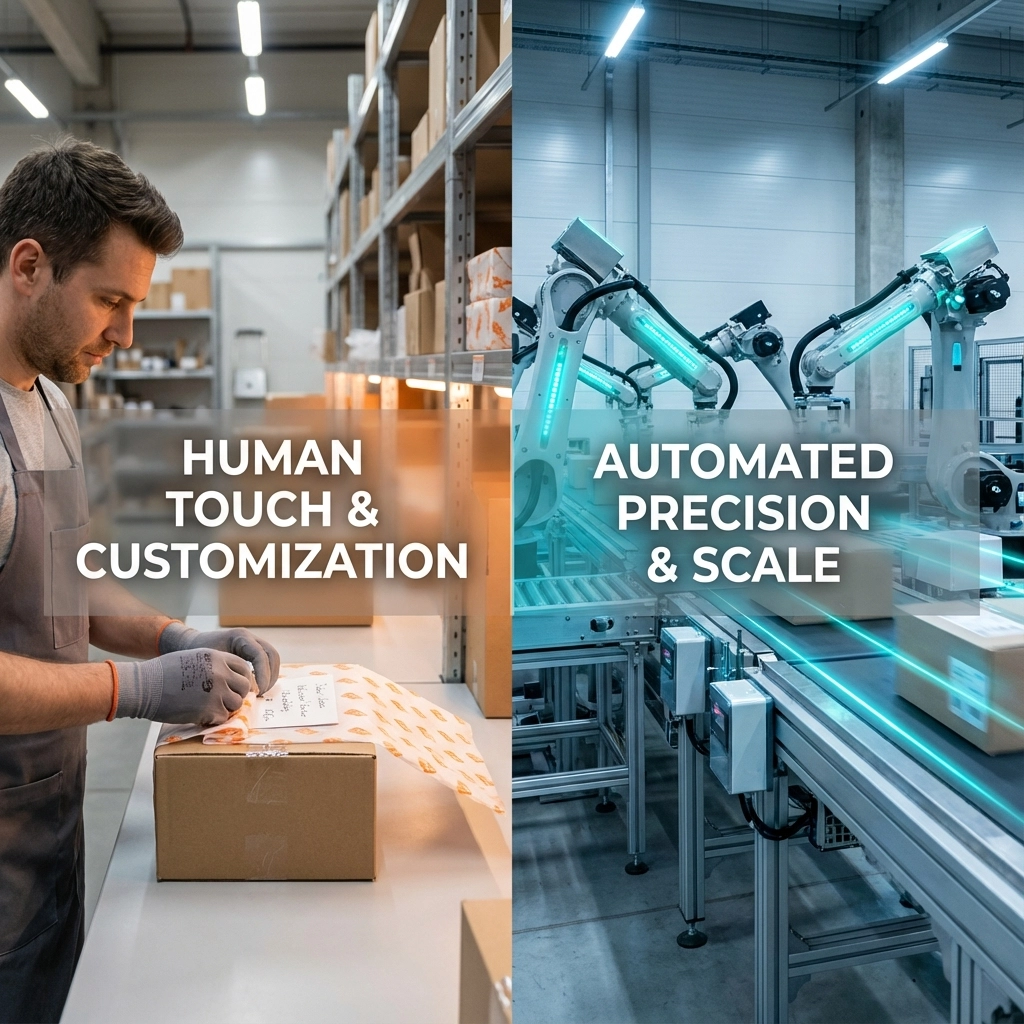
In-house fulfillment provides absolute control over every aspect of order processing, from packaging presentation to shipping methods. This control enables businesses to create highly customized customer experiences that reinforce brand identity and meet specific operational requirements.
Brand Experience Optimization
Direct management allows for personalized packaging, custom inserts, handwritten notes, or specialized product bundling that creates memorable unboxing experiences. These brand-building opportunities often prove difficult to replicate through 3PL partnerships.
Immediate Response Capability
Internal operations enable rapid adjustments to fulfillment processes, special promotional requirements, or unexpected market changes without coordinating with external partners.
Data Ownership and Access
In-house fulfillment provides complete access to operational data, customer insights, and fulfillment metrics without relying on third-party reporting systems.
In-House Fulfillment Challenges
High Capital Requirements
Establishing in-house fulfillment requires significant upfront investments in warehouse space, equipment, technology systems, and staffing. These fixed costs persist regardless of sales volume fluctuations.
Operational Complexity
Managing fulfillment operations demands expertise across multiple disciplines including inventory management, warehouse operations, shipping logistics, and staff management. This complexity can divert management attention from core business activities.
Scalability Limitations
In-house operations often struggle to accommodate rapid growth or seasonal demand spikes without substantial additional investments in space, equipment, and temporary staffing.
Key Decision Factors
When evaluating 3PL versus in-house fulfillment, consider these critical factors:
Order Volume and Growth Trajectory: High-volume or rapidly growing businesses typically benefit more from 3PL scalability, while lower-volume operations may find in-house fulfillment more cost-effective.
Product Characteristics: Products requiring specialized handling, customization, or regulatory compliance may necessitate in-house control, while standardized products suit 3PL operations well.
Geographic Distribution Needs: Businesses serving geographically diverse markets often benefit from 3PL providers' distributed fulfillment networks.
Available Capital: Companies with limited capital may prefer 3PL's variable cost structure over in-house fulfillment's significant upfront investments.
Brand Differentiation Requirements: Businesses emphasizing unique customer experiences through specialized packaging or personalization may require in-house capabilities.
Making the Right Choice for Your Business
For most growing e-commerce businesses, 3PL fulfillment offers compelling advantages, particularly in Florida's logistics-friendly environment. The combination of scalability, technology access, and geographic positioning typically outweighs the reduced control, especially for businesses focused on growth rather than highly specialized fulfillment requirements.
Consider 3PL fulfillment if your business experiences seasonal demand fluctuations, lacks fulfillment expertise, requires geographic distribution, or wants to focus management attention on core competencies like product development and marketing.
In-house fulfillment makes sense for businesses with specialized product requirements, strong fulfillment expertise, sufficient capital for infrastructure investments, and relatively predictable, manageable order volumes.
The decision ultimately depends on your specific business circumstances, growth objectives, and operational priorities. Many successful e-commerce businesses start with in-house fulfillment for control and cost management, then transition to 3PL providers as growth demands exceed internal capabilities.
Florida's logistics infrastructure provides excellent opportunities for both approaches, whether partnering with established 3PL providers or developing independent fulfillment operations. The key lies in honestly assessing your business needs, growth trajectory, and available resources to make the choice that best supports your long-term success.
Contact Rule Logistics: info@rule-logistics.com
Comments