


The Freight Forwarder in Miami Playbook: 5 Ways to Survive the 2026 "Cheap but Volatile" Market
The global supply chain in 2026 is defined by a strange paradox: it has never been cheaper to move a container, yet it has rarely been more difficult to ensure that container arrives on time. As we navigate the first quarter of 2026, the industry is witnessing a 3.7% increase in global vessel capacity. While this influx of space has driven base freight rates down, the operational reality on the ground—particularly for those utilizing a freight forwarder in Miami—remains fraught with volatility.
From persistent port congestion to shifting geopolitical alliances, the "cheap" rates of today often come with hidden costs in the form of delays and administrative headaches. For importers and exporters, surviving this landscape requires more than just hunting for the lowest quote; it requires a strategic playbook. At Rule Logistics, we believe that navigating this volatility is about shifting from a reactive mindset to a proactive, data-driven strategy.
1. Prioritize Warehouse Agility Over "Just-in-Time"
The "Just-in-Time" (JIT) model, once the gold standard of efficiency, has proven fragile in the face of 2026’s port bottlenecks. In Miami, industrial real estate is at a premium, with vacancy rates hovering below 5%. This scarcity means that if your cargo arrives and you don’t have a confirmed destination or overflow space, you are looking at astronomical demurrage and detention fees.
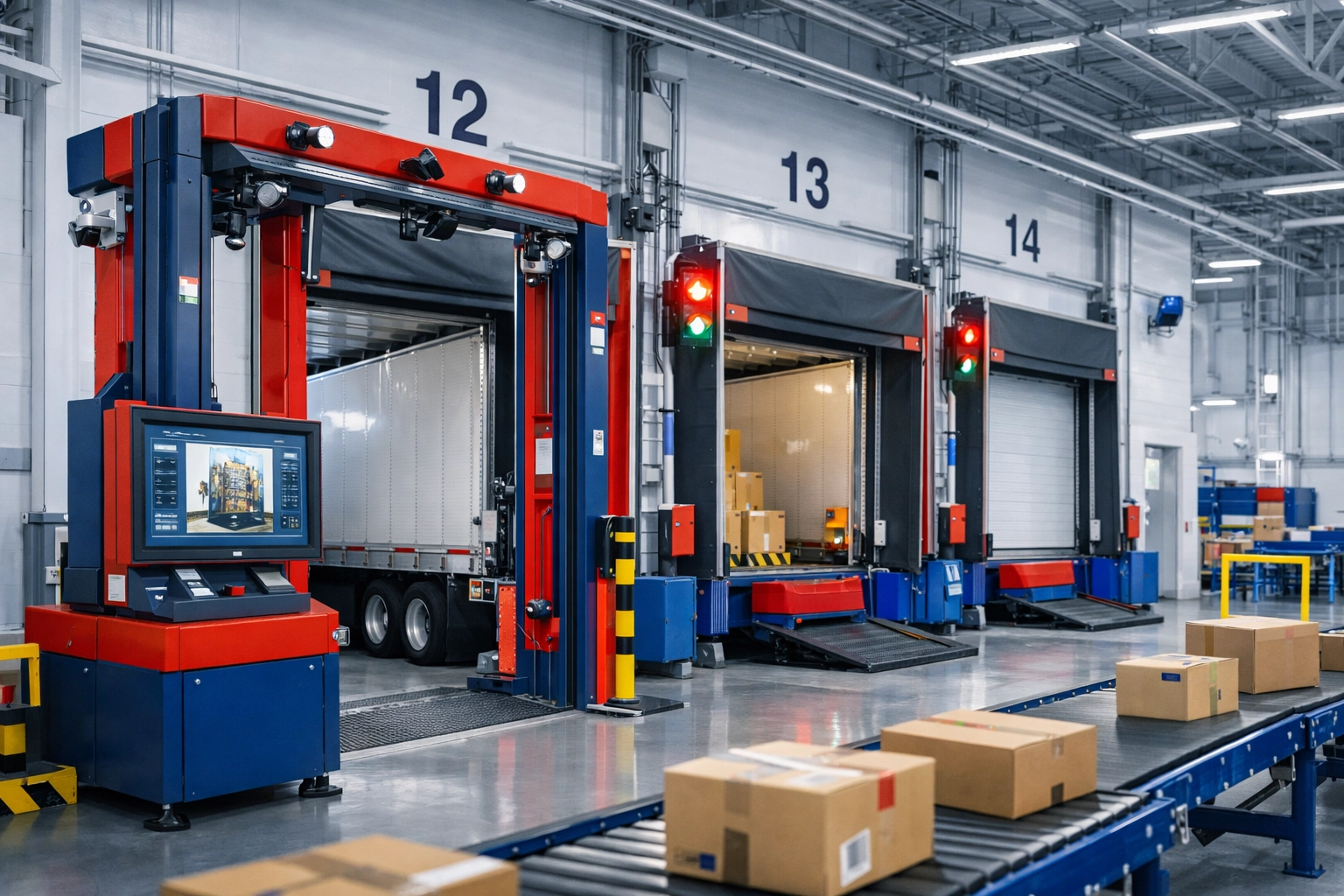
A sophisticated freight forwarder in Miami must offer more than just transportation; they must provide integrated warehousing solutions. By securing "Just-in-Case" inventory space, businesses can buffer against the 6-9 month lead times currently required for new facility leasing in South Florida. Rule Logistics helps clients navigate this by offering scalable warehousing that bridges the gap between arrival and final distribution.

2. Master the "Total Landed Cost" Calculation
In a market where ocean rates are low, many shippers fall into the trap of focusing solely on the ocean freight price. However, in 2026, the base rate is often the smallest part of the financial equation. Port congestion and labor shifts can lead to unexpected surcharges that quickly erode your margins.
To survive, you must look at the Total Landed Cost. This includes customs duties, drayage, insurance, and the cost of potential delays. Working with Rule Logistics allows you to see the full picture, ensuring that a "cheap" shipment doesn't end up being your most expensive mistake of the quarter.
3. Leverage Miami as the Premier LATAM Gateway
Miami remains the undisputed hub for Latin American trade, processing over 250,000 tons of air cargo annually. For businesses looking to diversify their supply chains away from over-reliance on a single region, utilizing Miami’s Foreign Trade Zone (FTZ) #143 is a game-changer.
Using an FTZ allows for duty deferral and reduction, which is vital when navigating the 2026 tariff whiplash. A freight forwarder in Miami who understands the nuances of FTZ operations can provide a significant competitive advantage, allowing you to keep more capital in your business while your goods are in transit or storage.
4. Adopt Multimodal Flexibility
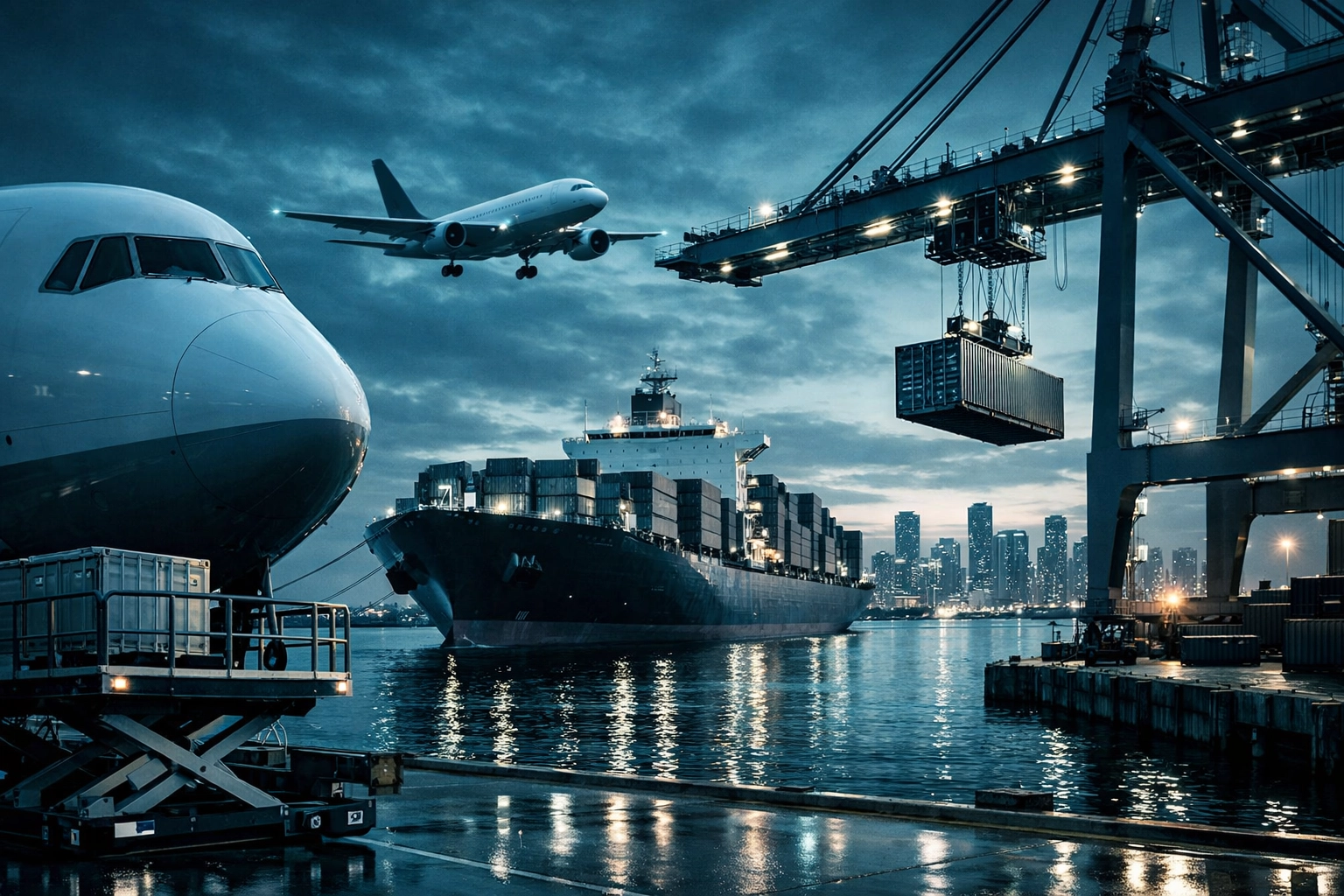
The volatility of 2026 means that the most direct route isn't always the fastest or the most cost-effective. We are seeing a trend where sea-to-air conversions are becoming standard practice to bypass specific port bottlenecks.
Whether it is moving cargo between PortMiami and the Port of Everglades or shifting a time-sensitive shipment to air freight at MIA, flexibility is your greatest asset. A professional forwarder should be able to pivot your strategy in real-time. This multimodal approach ensures that even when one channel is blocked, your supply chain remains fluid.
5. Transition from Vendors to Strategic Partners
In a "cheap but volatile" market, the traditional vendor-client relationship is insufficient. You don’t just need someone to book a slot on a ship; you need a partner who understands your business goals and can anticipate market shifts before they hit your bottom line.
Rule Logistics positions itself as that strategic extension of your team. By providing end-to-end solutions—from customs brokerage to final-mile delivery—we eliminate the friction of juggling multiple vendors. In 2026, the winners will be those who value reliability and expertise over the lowest possible line-item cost.
El Manual del Freight Forwarder en Miami: 5 Formas de Sobrevivir al Mercado "Barato pero Volátil" de 2026
La cadena de suministro global en 2026 se define por una extraña paradoja: nunca ha sido tan barato mover un contenedor, pero rara vez ha sido más difícil asegurar que ese contenedor llegue a tiempo. Mientras navegamos por el primer trimestre de 2026, la industria es testigo de un aumento del 3.7% en la capacidad mundial de buques. Aunque esta afluencia de espacio ha hecho bajar las tarifas básicas de flete, la realidad operativa sobre el terreno—especialmente para quienes utilizan un freight forwarder en Miami—sigue estando plagada de volatilidad.
Desde la persistente congestión portuaria hasta los cambiantes aliados geopolíticos, las tarifas "baratas" de hoy suelen venir con costos ocultos en forma de retrasos y dolores de cabeza administrativos. Para los importadores y exportadores, sobrevivir en este panorama requiere algo más que buscar la cotización más baja; requiere un manual de estrategia. En Rule Logistics, creemos que navegar esta volatilidad consiste en pasar de una mentalidad reactiva a una estrategia proactiva impulsada por datos.
1. Priorice la Agilidad de Almacén sobre el "Just-in-Time"
El modelo "Just-in-Time" (JIT), que alguna vez fue el estándar de oro de la eficiencia, ha demostrado ser frágil frente a los cuellos de botella portuarios de 2026. En Miami, los bienes raíces industriales tienen una alta demanda, con tasas de vacantes por debajo del 5%. Esta escasez significa que si su carga llega y no tiene un destino confirmado o espacio de desbordamiento, se enfrentará a tarifas de demora y detención astronómicas.
Un freight forwarder en Miami sofisticado debe ofrecer algo más que transporte; debe proporcionar soluciones de almacenamiento integradas. Al asegurar espacio de inventario "por si acaso", las empresas pueden protegerse contra los plazos de entrega de 6 a 9 meses que se requieren actualmente para el arrendamiento de nuevas instalaciones en el sur de Florida. Rule Logistics ayuda a los clientes a navegar esto ofreciendo almacenamiento escalable que cierra la brecha entre la llegada y la distribución final.
2. Domine el Cálculo del "Costo Total de Desembarque"
En un mercado donde las tarifas marítimas son bajas, muchos transportistas caen en la trampa de centrarse únicamente en el precio del flete marítimo. Sin embargo, en 2026, la tarifa base suele ser la parte más pequeña de la ecuación financiera. La congestión portuaria y los cambios laborales pueden dar lugar a recargos inesperados que erosionan rápidamente sus márgenes.
Para sobrevivir, debe observar el Costo Total de Desembarque (Total Landed Cost). Esto incluye aranceles aduaneros, acarreo, seguros y el costo de posibles retrasos. Trabajar con Rule Logistics le permite ver el panorama completo, asegurando que un envío "barato" no termine siendo su error más costoso del trimestre.
3. Aproveche Miami como la Principal Puerta de Entrada a LATAM
Miami sigue siendo el centro indiscutible para el comercio con América Latina, procesando más de 250,000 toneladas de carga aérea anualmente. Para las empresas que buscan diversificar sus cadenas de suministro y evitar la dependencia excesiva de una sola región, utilizar la Zona Franca (FTZ) #143 de Miami es un factor de cambio.
El uso de una FTZ permite el aplazamiento y la reducción de aranceles, lo cual es vital al navegar por la inestabilidad arancelaria de 2026. Un freight forwarder en Miami que comprenda los matices de las operaciones de FTZ puede proporcionar una ventaja competitiva significativa, permitiéndole mantener más capital en su negocio mientras sus mercancías están en tránsito o almacenadas.
4. Adopte la Flexibilidad Multimodal
La volatilidad de 2026 significa que la ruta más directa no siempre es la más rápida ni la más rentable. Estamos viendo una tendencia en la que las conversiones de mar a aire se están convirtiendo en una práctica estándar para evitar cuellos de botella portuarios específicos.
Ya sea moviendo carga entre PortMiami y el Puerto de Everglades o cambiando un envío urgente a flete aéreo en el MIA, la flexibilidad es su mayor activo. Un forwarder profesional debe ser capaz de pivotar su estrategia en tiempo real. Este enfoque multimodal garantiza que, incluso cuando un canal está bloqueado, su cadena de suministro permanezca fluida.

5. Transición de Proveedores a Socios Estratégicos
En un mercado "barato pero volátil", la relación tradicional de proveedor-cliente es insuficiente. No solo necesita a alguien que reserve un espacio en un barco; necesita un socio que entienda sus objetivos comerciales y pueda anticipar los cambios del mercado antes de que afecten sus resultados financieros.
Rule Logistics se posiciona como esa extensión estratégica de su equipo. Al proporcionar soluciones de extremo a extremo—desde el corretaje de aduanas hasta la entrega de última milla—eliminamos la fricción de gestionar múltiples proveedores. En 2026, los ganadores serán aquellos que valoren la confiabilidad y la experiencia por encima del costo de línea más bajo posible.
Future-Proofing Your Supply Chain
The year 2026 presents a unique set of challenges, but for those with the right playbook, it also offers immense opportunities. By focusing on warehouse agility, total landed costs, and strategic partnerships, your business can turn market volatility into a competitive edge. Rule Logistics is here to ensure that your journey through the Miami gateway is efficient, transparent, and successful.
Asegurando el Futuro de su Cadena de Suministro
El año 2026 presenta un conjunto único de desafíos, pero para aquellos con el manual de estrategia adecuado, también ofrece inmensas oportunidades. Al centrarse en la agilidad del almacén, los costos totales de desembarque y las asociaciones estratégicas, su empresa puede convertir la volatilidad del mercado en una ventaja competitiva. Rule Logistics está aquí para garantizar que su viaje a través de la puerta de entrada de Miami sea eficiente, transparente y exitoso.
Comments