


The Freight Forwarder's Guide to Surviving 2026 Tariff Whiplash in Miami
The Miami freight forwarding landscape is navigating unprecedented turbulence. With tariff policies shifting rapidly and cargo volumes experiencing dramatic swings, freight forwarders face a challenging environment that demands both strategic agility and operational excellence. For freight forwarders in Miami, 2026 represents not just another year of business: it's a critical test of adaptability in the face of economic headwinds.
Understanding how to navigate this tariff whiplash effectively separates thriving logistics operations from those merely surviving. The key lies in proactive planning, strategic partnerships, and leveraging comprehensive solutions that address both immediate challenges and long-term positioning.
Understanding the 2026 Tariff Landscape
The current environment presents conflicting signals that make planning particularly complex. While the Port of Miami and Port Everglades showed modest growth with a 3% increase in TEU imports in early 2025, the trajectory for 2026 tells a different story. Import cargo levels nationwide are projected to decline by more than 5% compared to 2024, with early 2026 forecasts showing sharper drops: January 2026 is expected to see 1.87 million TEU, representing a 16.1% year-over-year decline, while February projects 1.77 million TEU, down 12.8%.
These declining volumes stem directly from tariff impacts on cargo demand. For logistics Miami operations, this creates a challenging paradox: lower volumes typically mean reduced revenue opportunities, while the complexity and costs associated with navigating tariffs simultaneously increase operational expenses.

The situation is particularly acute for South Florida's import profile, which relies heavily on small to mid-sized importers. These businesses often lack the financial resources to absorb sudden tariff cost increases or manage extended customs delays, creating cascading effects throughout the supply chain. When tariffs change unexpectedly, ports like Port Everglades and PortMiami experience congestion spikes that lead to longer dwell times and increased demurrage fees: costs that ultimately impact freight forwarders and their clients.
Critical Challenges Facing Miami Freight Forwarders
Financial Pressure on Clients
Tariff volatility creates immediate cash flow challenges for importers. When duties increase unexpectedly, businesses face difficult choices: absorb costs that erode margins, pass increases to customers and risk losing competitive positioning, or delay shipments and disrupt operations. As a freight forwarder in Miami, you're positioned at the intersection of these pressures, needing to balance client relationships with operational realities.
Port Congestion and Timing Uncertainty
Tariff announcements trigger predictable patterns: importers rush to bring goods in before rate increases take effect, creating artificial demand spikes. Conversely, when tariff increases are implemented, cargo can sit idle as importers delay clearance decisions or seek alternative sourcing. Both scenarios create unpredictable port conditions that make reliable scheduling nearly impossible without sophisticated logistics partnerships.
Customs Complexity
The regulatory environment surrounding tariffs continues to evolve, with classification disputes, exemption applications, and compliance requirements consuming valuable time and resources. Freight forwarders must navigate this complexity while maintaining the speed and reliability clients expect.
Strategic Solutions for Navigating Tariff Whiplash
Leverage Bonded Carrier Services
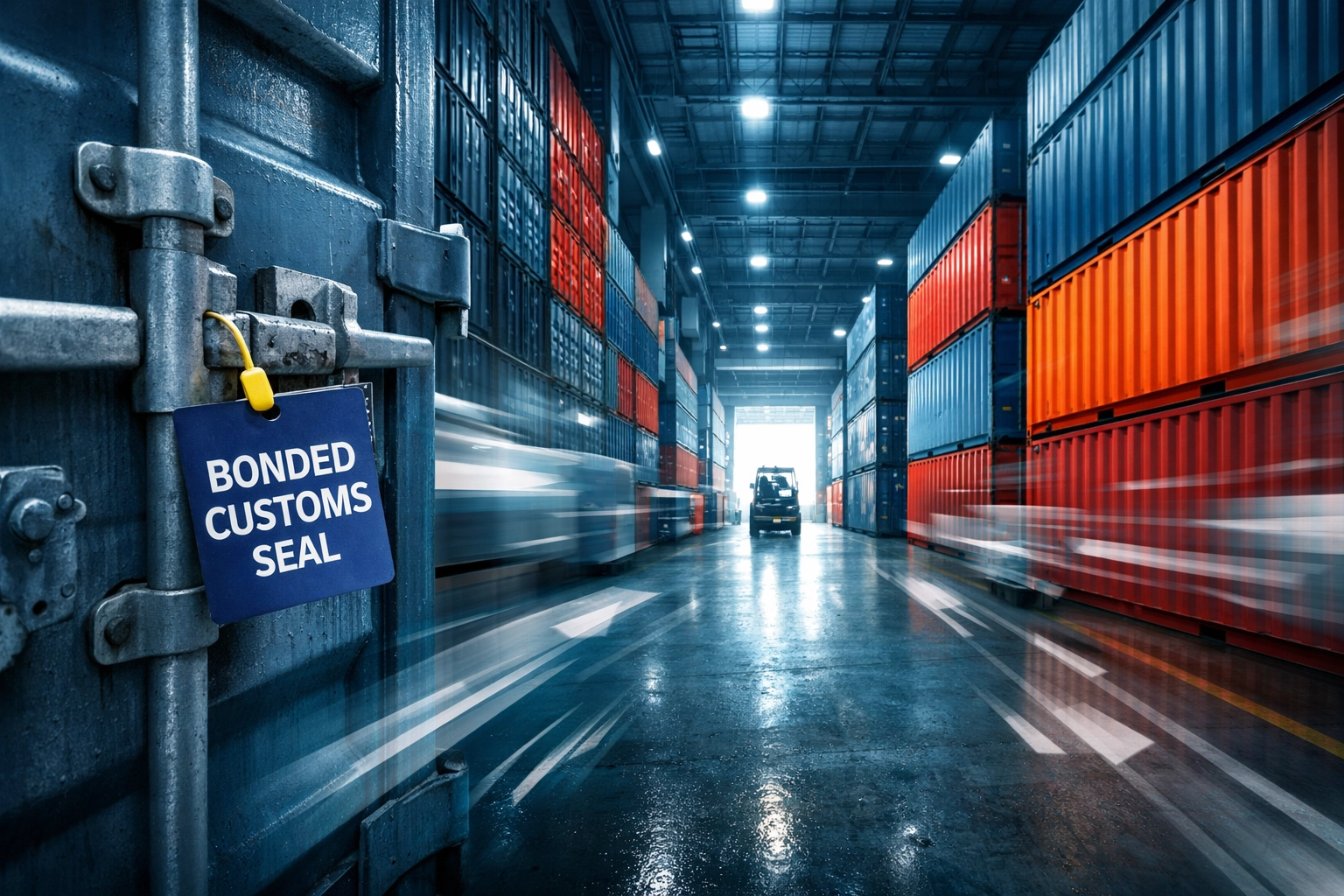
One of the most effective strategies for managing tariff uncertainty involves utilizing U.S. Customs Bonded Carrier services. This approach allows cargo to move from ports to warehouses or alternate locations while in-bond, deferring tariff expenses and reducing immediate financial impact on clients. For Miami freight forwarders, this capability is particularly valuable during congestion spikes when customs approval timelines extend.
By moving goods before duties are paid, you provide clients with flexibility to make informed decisions about when and how to enter cargo into commerce. This reduces pressure on immediate cash flow and allows strategic timing around tariff rate changes.
Emphasize Proactive Planning and Communication
The freight forwarders who will thrive in 2026 are those who shift from reactive to proactive service models. This means maintaining constant communication with clients about anticipated tariff changes, advising on optimal ordering schedules, and recommending shipment consolidation strategies that reduce both costs and complexity.
Consider implementing regular briefings for key clients that outline upcoming tariff developments and their potential impacts. Position your organization as a strategic advisor rather than a transactional service provider. This consultative approach builds loyalty and justifies premium pricing even as container shipping rates face downward pressure from reduced cargo demand.
Optimize Geographic Distribution
Miami's geographic position offers unique advantages, but tariff whiplash creates opportunities to think creatively about distribution networks. Alternative routes like Miami-Orlando linehaul services can bypass port congestion while maintaining distribution efficiency to Central Florida markets. For clients concerned about tariff-related delays at major ports, these alternative pathways provide valuable redundancy.
Develop Expedited and Emergency Capabilities
Tariff-related delays create urgent situations where goods arrive later than expected, threatening inventory availability and customer commitments. Offering coordinated high-speed emergency delivery services: particularly for time-sensitive or high-value cargo: addresses a growing pain point in the market. Specialized capabilities like liftgate delivery for oversized or palletized inventory also protect margins on premium freight while solving real client problems.
How Rule Logistics Helps Navigate Tariff Complexity
This is where comprehensive, end-to-end logistics solutions become invaluable. Rule Logistics provides Miami-based businesses and freight forwarders with integrated capabilities designed specifically to address tariff whiplash challenges.
Comprehensive Service Integration
Rather than coordinating multiple providers: one for freight forwarding, another for customs brokerage, and yet another for warehousing: Rule Logistics offers seamless integration across all critical functions. This unified approach eliminates communication gaps and coordination delays that become especially costly during tariff volatility.
When tariff situations require rapid response, having a single partner who can simultaneously manage customs clearance, arrange bonded warehousing, and coordinate final distribution creates competitive advantage. The 3PL fulfillment capabilities allow for flexible inventory management that adapts to changing tariff considerations.
Real-Time Visibility and Communication
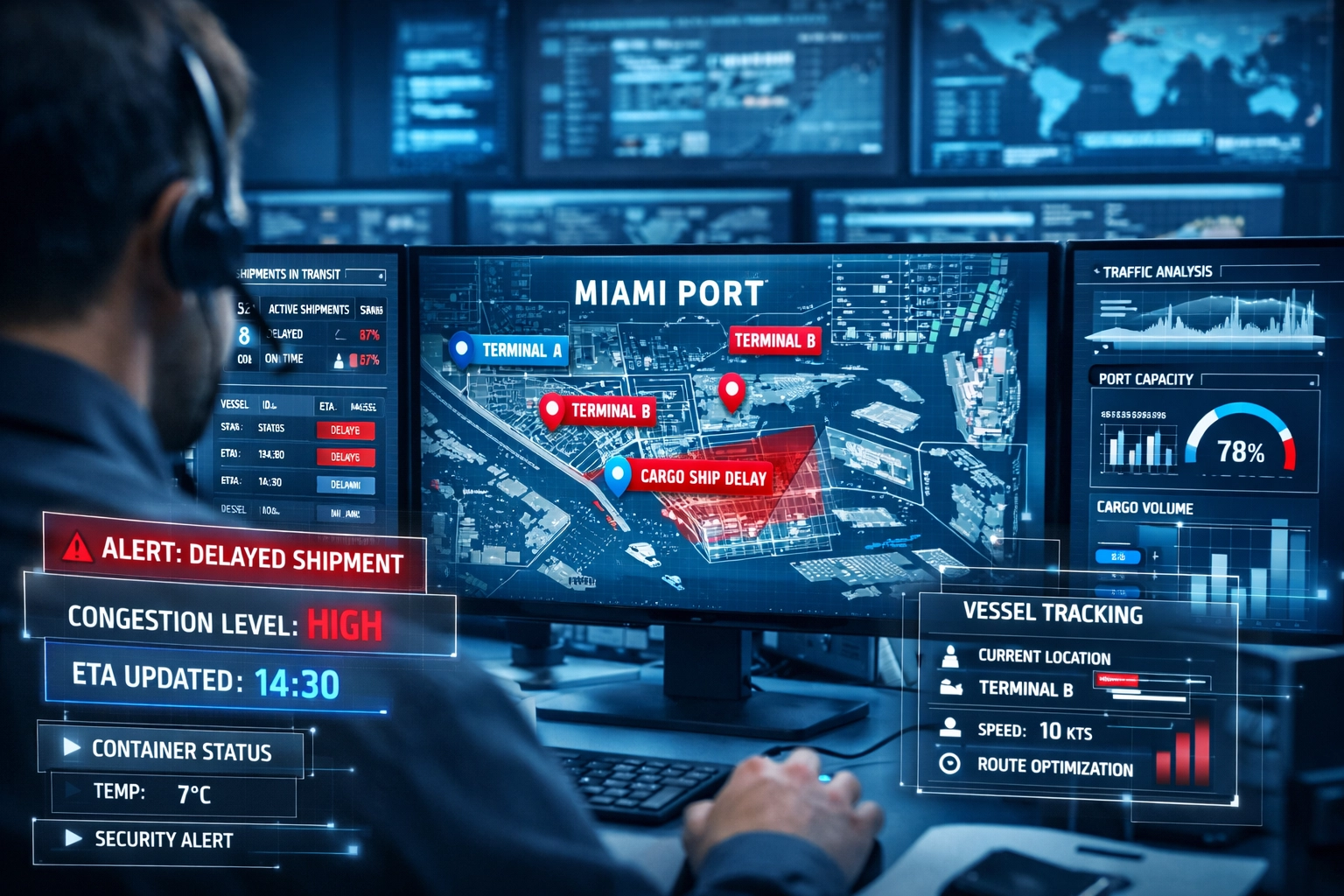
During periods of tariff uncertainty, information becomes as valuable as the cargo itself. Rule Logistics provides transaction tracking capabilities that replace automated uncertainty with actionable intelligence. This becomes critical when tariff announcements, customs holds, or unexpected delays disrupt schedules.
Strategic Advisory Support
Beyond operational execution, Rule Logistics serves as a strategic partner in navigating the complex tariff landscape. The team stays current on regulatory changes, classification developments, and compliance requirements, translating this expertise into practical guidance for clients facing tariff decisions.
Looking Forward: Opportunity Within Challenge
Despite near-term headwinds, Miami's strategic advantages remain compelling for long-term growth. PortMiami and Port Everglades are forecast to see container flow growth of 4-6% annually through 2028, driven by nearshoring trends into Mexico, Central America, and the Caribbean. The cargo mix is shifting toward intermediate and capital goods: machinery, parts, plastics, metals: as Latin American factories integrate into North American supply chains.
Miami International Airport handles approximately 3 million metric tons of cargo annually and functions as the top U.S. entry point for international freight, with air cargo expected to grow at high single digits, outpacing seaborne trade. For freight forwarders with diversified capabilities, this represents significant opportunity.
The tariff environment will likely remain volatile throughout 2026 and beyond. Container shipping rates are already declining on both coasts due to reduced cargo space demand, compressing margins across the logistics chain. Freight forwarders who remain reactive will struggle to meet deadlines and protect profitability. Those who proactively adjust delivery methods, leverage bonded services, maintain strategic partnerships, and provide real-time client communication will differentiate themselves and capture market share.
Surviving tariff whiplash isn't about avoiding the challenge: it's about building the operational capabilities and strategic partnerships that turn volatility into competitive advantage. For Miami freight forwarders, the tools and strategies exist to not just survive 2026, but to emerge stronger and better positioned for the decade ahead.
Ready to navigate tariff complexity with confidence? Contact Rule Logistics at info@rule-logistics.com to learn how our end-to-end solutions help freight forwarders and importers stay ahead of changing regulations and market conditions.
Comments