


Miami Logistics in 2026: One-Roof Solutions vs. Juggling 5 Vendors (Which Saves You More?)
The logistics landscape in Miami has never been more complex. Between fluctuating tariffs, port congestion, and the constant pressure to deliver faster and cheaper, businesses are facing a critical decision: should they consolidate their logistics operations under one roof, or continue managing relationships with multiple specialized vendors?
For companies handling logistics in Miami FL, this question isn't just about convenience: it's about survival in an increasingly competitive market. The answer could mean the difference between healthy profit margins and watching operational costs spiral out of control.
The Real Cost of Vendor Juggling
When businesses first start scaling, it seems logical to hire specialists for each aspect of their supply chain. One company handles ocean freight, another manages warehousing, a third takes care of customs brokerage, and yet another handles last-mile delivery. On paper, this approach appears to give you "best-in-class" service at every touchpoint.
The reality tells a different story.
Managing multiple vendors creates hidden costs that don't show up on individual invoices. Communication breakdowns between your freight forwarder and your warehouse provider lead to delays. Your customs broker doesn't have visibility into when your shipment will actually arrive, creating bottlenecks at the port. Each vendor has their own software system, requiring your team to jump between platforms and manually reconcile data.
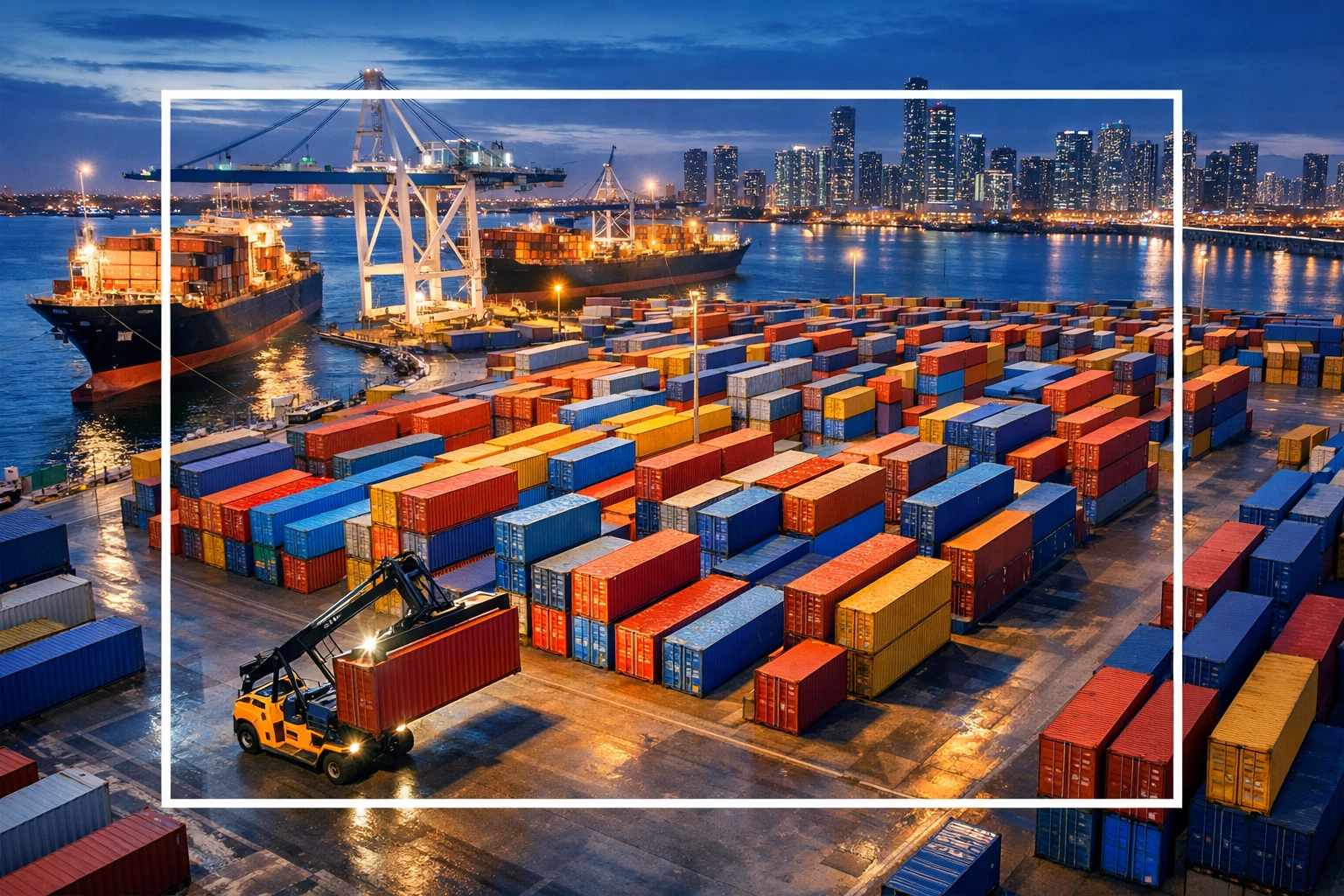
Here's what this fragmented approach actually costs your business:
1. Administrative Overhead: Your team spends hours each week coordinating between vendors, following up on shipments, and troubleshooting communication gaps. This represents real labor costs that directly impact your bottom line.
2. Finger-Pointing and Accountability Issues: When something goes wrong: and it will: determining which vendor is responsible becomes a costly investigation. Shipments get delayed while providers point fingers at each other, and you're left holding the bag with an angry customer.
3. Data Silos and Limited Visibility: Without integrated systems, you lack real-time visibility across your entire supply chain. You can't proactively solve problems or optimize routes because your data lives in five different platforms that don't talk to each other.
4. Negotiation Fatigue: Every contract renewal means renegotiating terms, rates, and service levels with multiple parties. This constant negotiation drains resources and leaves money on the table when you can't leverage volume across your entire logistics spend.
5. Technology Stack Complexity: Different vendors mean different tracking systems, communication platforms, and reporting formats. Your IT costs increase as you try to integrate these disparate systems, and the integration is never perfect.
The One-Roof Advantage: How End-to-End Solutions Work
An integrated logistics provider changes this equation entirely. When one company handles your ocean freight, air freight, ground transportation, warehousing, fulfillment, and customs brokerage, the operational efficiencies compound quickly.
Think of it like building a house. You could hire a separate contractor for the foundation, framing, electrical, plumbing, and finishing work: but you'd spend most of your time managing conflicts, scheduling overlaps, and fixing coordination mistakes. A general contractor who oversees the entire project ensures everything flows seamlessly from start to finish.

The same principle applies to 3PL Miami operations. An end-to-end provider creates a single chain of accountability with synchronized systems, unified data platforms, and teams that actually communicate with each other because they work for the same company.
This integration delivers measurable benefits:
Seamless Communication: When your ocean freight team, warehouse staff, and customs brokers work for the same organization, they share real-time information naturally. Your goods move faster through each stage because everyone knows what's coming and when.
Predictive Problem-Solving: Integrated providers can identify potential issues before they become crises. If a container is delayed at sea, your warehouse team already knows to adjust receiving schedules and your customs broker is prepared with alternative clearance timing.
Technology Advantages: One platform gives you complete supply chain visibility from the moment goods leave the manufacturer until they reach your customer. You can track inventory levels, shipment status, and delivery timing in real-time without toggling between systems.
Cost Optimization: Providers with end-to-end capabilities can optimize your entire logistics spend, not just individual components. They might choose a slightly longer ocean route if it means avoiding warehouse storage costs, or adjust fulfillment timing to maximize container utilization.
What the Numbers Actually Show
Let's break down a real-world comparison. Consider a mid-sized e-commerce business importing goods through Miami and distributing throughout the Southeast:
Multi-Vendor Approach:
Ocean freight: $5,000 per container
Drayage: $800
Customs brokerage: $350
Warehousing: $2,500/month
Fulfillment: $4 per unit
Ground freight: $1,200 per shipment
Administrative overhead: 15-20 hours/week of internal staff time
Technology/integration costs: $1,500/month
Error rate/delay costs: 3-5% of total logistics spend
Integrated Provider (Rule Logistics Model):
Bundled ocean freight, drayage, and customs: $5,800 per container
Combined warehousing and fulfillment: $2,100/month plus $3.50 per unit
Ground freight with optimized routing: $1,000 per shipment
Administrative overhead: 3-5 hours/week of internal staff time
Technology included: $0 additional cost
Error rate/delay costs: Less than 1% of total logistics spend
The integrated approach typically delivers 15-25% cost savings when you factor in all the hidden costs of vendor management. More importantly, it delivers consistency and reliability that directly impact customer satisfaction and retention.
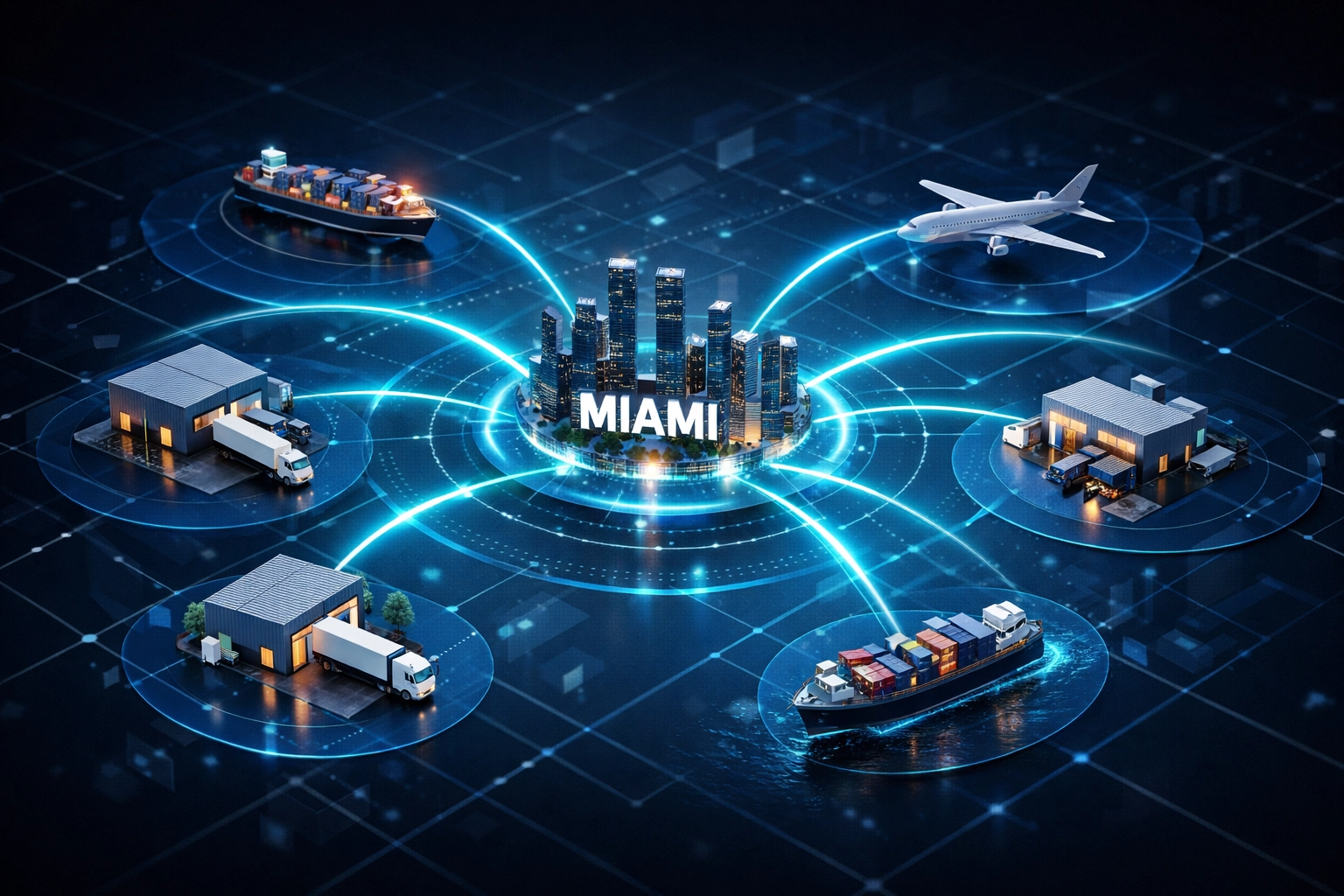
Rule Logistics: Your Complete Logistics Partner in Miami
This is exactly why Rule Logistics built its business model around comprehensive, end-to-end logistics solutions. Instead of forcing businesses to piece together their supply chain like a puzzle, Rule Logistics provides everything under one roof:
Ocean, Air, and Ground Freight: Whether your goods are crossing the Pacific, flying from Europe, or moving by truck across the country, Rule Logistics manages every mile with the same attention to detail and real-time tracking.
Warehousing and Fulfillment: Modern facilities designed for efficiency, with inventory management systems that integrate directly with your e-commerce platforms and order management systems.
Customs Brokerage: Expert clearance services that keep your goods moving smoothly through Miami's busy ports, minimizing delays and ensuring compliance with ever-changing regulations.
Single Point of Contact: One account manager who understands your entire operation, not five different reps who only see their piece of your supply chain.
Unified Technology Platform: Real-time visibility across your entire logistics operation, with data-driven insights that help you optimize costs and improve service levels.
For businesses handling logistics in Miami, this integrated approach isn't just more convenient: it's strategically smarter. Miami's position as a gateway to Latin America and the Caribbean makes it one of the most dynamic logistics markets in North America. Having a partner who understands this market's unique complexities while managing your entire supply chain creates a significant competitive advantage.
Why Miami Businesses Are Consolidating Now
The logistics industry is consolidating rapidly, and 2026 has accelerated this trend. Several factors are driving this shift:
Tariff Volatility: With trade policies changing quickly, businesses need logistics partners who can pivot strategies across ocean, air, and ground freight to find the most cost-effective routes as tariffs shift.
Labor Shortages: Managing five vendor relationships requires significant internal resources. As qualified logistics talent becomes harder to find and retain, outsourcing this complexity to one expert partner makes strategic sense.
Technology Expectations: Today's customers expect Amazon-level visibility and speed. Delivering this experience requires integrated technology that most multi-vendor setups simply can't provide.
Margin Pressure: Competition is fierce, and businesses can't afford the hidden costs that come with fragmented logistics operations. Every dollar saved in logistics overhead flows directly to the bottom line.
Making the Switch: What to Consider
Transitioning from multiple vendors to an integrated provider requires planning, but the process is more straightforward than most businesses expect. Here's what to evaluate:
Service Scope: Ensure your provider truly offers end-to-end capabilities with proven expertise in each area. Some companies claim integration but still outsource key services, reintroducing the coordination problems you're trying to eliminate.
Geographic Coverage: For businesses serving national or international markets, verify that your provider can support your entire distribution network, not just your Miami operations.
Technology Integration: Confirm that the provider's platforms integrate with your existing systems: whether that's Shopify, NetSuite, or custom-built order management software.
Scalability: Choose a partner with infrastructure that can grow with your business. The last thing you want is to outgrow your logistics provider in two years and face another transition.
Financial Stability: Your logistics partner holds your inventory and manages your customer relationships. Their financial health directly impacts your business continuity.
Rule Logistics checks all these boxes, which is why more businesses are consolidating their logistics Miami operations with us in 2026. The combination of comprehensive services, proven expertise, and technology-driven efficiency creates a partnership that drives real business results.
The Bottom Line
The question isn't whether integrated logistics solutions save money: the data clearly shows they do. The real question is whether your business can afford to keep juggling multiple vendors while your competitors consolidate with smarter partners.
For companies operating in Miami's dynamic logistics environment, the choice becomes even clearer. This market demands agility, expertise, and seamless coordination across ocean, air, ground, warehousing, and customs operations. Trying to orchestrate this yourself with five different vendors creates unnecessary risk and cost.
An end-to-end 3PL Miami partner like Rule Logistics eliminates this complexity while delivering measurable cost savings, faster shipment times, and the visibility you need to compete in today's market. The question isn't whether to make the switch: it's how soon you can capture these advantages before your competition does.
Ready to stop juggling vendors and start saving money? Contact Rule Logistics at info@rule-logistics.com to discuss how our comprehensive logistics solutions can transform your supply chain operations.
Comments